the writer is a lonely hunter

writing by Gail Aldwin and other authors

A visit to Serendip, Lyme Regis

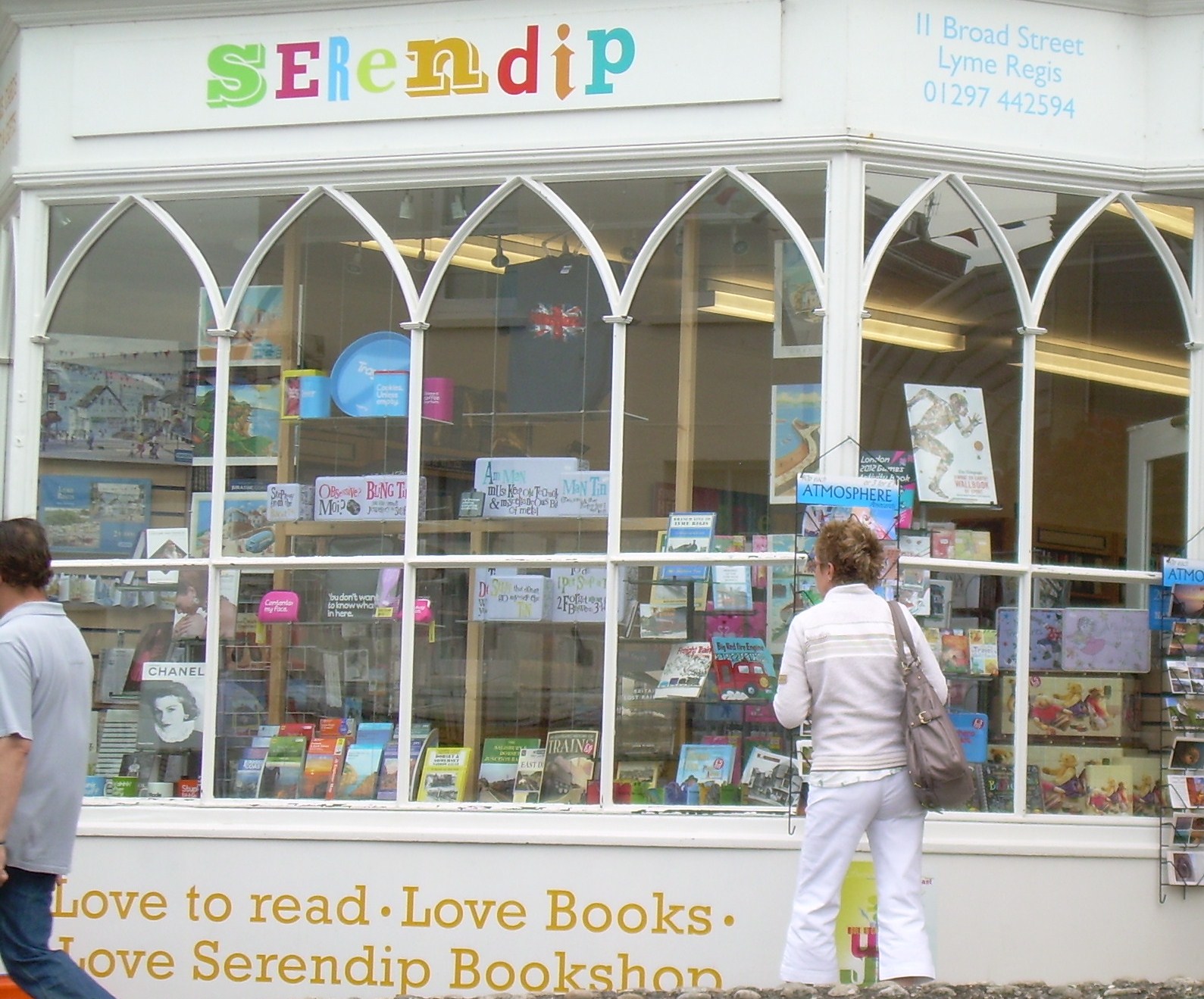
My post for this week about independent bookshops coincides with  Independent Booksellers’ Week.  Please join me for a visit to Serendip.

The bookshop on thriving Broad Street, takes its name from the island of Sri Lanka. Serendip has a fresh feel, with a new frontage changed in 2010 from the original created 30 years ago during the filming of The French Lieutenant’s Woman. Inside the space is airy and light, with a high ceiling. Bee Painton, who runs the bookshop with her husband Chris, invests in daylight quality lighting to create the effect.

The shop is arranged for easy access, with displays and shelving providing enough room for wheelchairs and buggies.  It caters for a range of customers, including residents, second-home owners, and visitors to the area of all ages. Bee has introduced a wide range of quality greeting cards, postcards, wrapping paper and book themed gifts to complement the selection of books.  Titles about the local area (including walking and fossil books) appear near the entrance together with new fiction. Shelves along the walls hold fiction titles and there is a large range of children’s books. Background music, including jazz, is played to create a relaxed atmosphere.

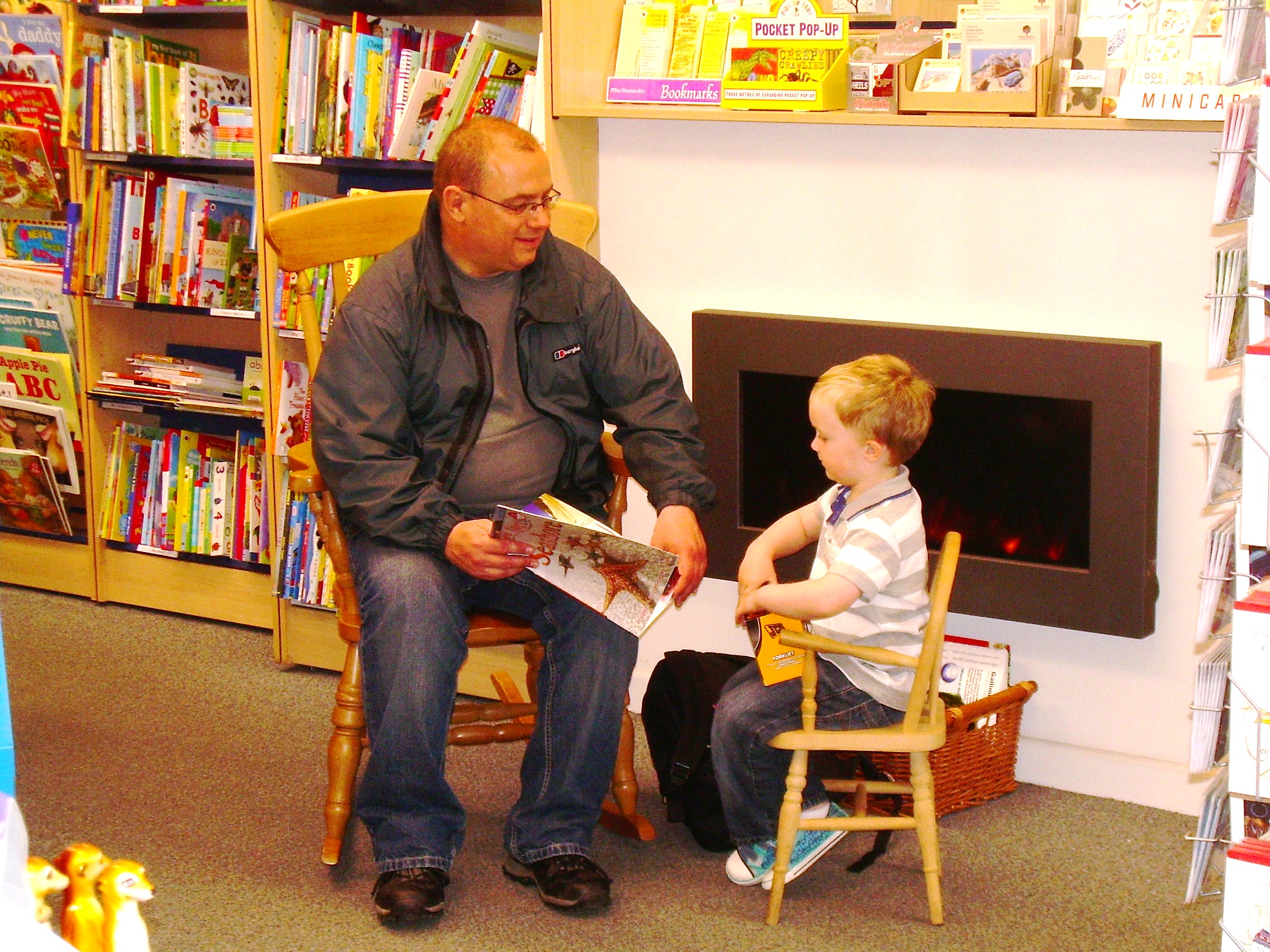
By the modern-effect fireplace there is a rocking chair and a child-size chair for in-store book sharing. The non-fiction section is tucked away at the back of the store with another lovely seating area to encourage browsing.

Read the rest of this entry »

7 Comments »

Story Slam in Shaftesbury, North Dorset

In the tradition of a poetry slam, where poetry is recited, a story slam encourages prose writers to take the stage and read their work.  Events are informal and fun, with feedback from judges and applause from the audience.  The idea is to enjoy sharing stories from a range of genres with a wider audience and prizes are awarded.  In July, Storyslingers in Shaftesbury are holding their first story slam event and would be very pleased to have you join them.

6 Comments »

A visit to Gullivers Bookshop, Wimborne Minster

This is the first in a series of posts about independent bookshops in Dorset. Once a month I attend a writing group in Wimborne led by poet, writer and teacher, Sarah Barr (you can find out more about the Wimborne Writers’ Group here). Last week I took the opportunity to visit Gullivers Bookshop, a family owned business in the centre of the market town run by Malcolm and Anne Angel and their daughter Jane with their son and his wife.

As I went into the shop, Malcolm was in the throes of  dismantling the window display that celebrated Dorset Art Weeks from 26 May – 10 June, which comprised a collection of papier-mache heads featuring characters from books. With another community event approaching, it was time for a change. To celebrate 20 years of Bookstart, Gullivers is hosting a Busy Bear Party on 22 June and the new display will feature a teddy bears’ reading group.  This engagement with the community is a feature of the bookshop that has been in Wimborne for over 40 years.

The shop feels bright and airy, well-stocked but not cluttered and an easy place to spend time. Displays by the entrance feature the latest fiction titles with further books on the shelves. There’s an area dedicated to Dorset’s people, places and culture and support for local authors (for a comprehensive list of publications click here). Thought has gone into organising the areas in an accessible way, for example, the young adult books have been positioned in a corner, away from the desk and the children’s section, to encourage self-conscious teenagers to browse.

The children’s section is delightful, decorated with mobiles and balloons. There’s Lego to play with and books for younger children displayed on shelves at just the right height. Children are welcome to chatter and play while choosing books, some saying that they ‘love the smell of the bookshop’.

Read the rest of this entry »

8 Comments »

Dorchester: Thomas Hardy Country

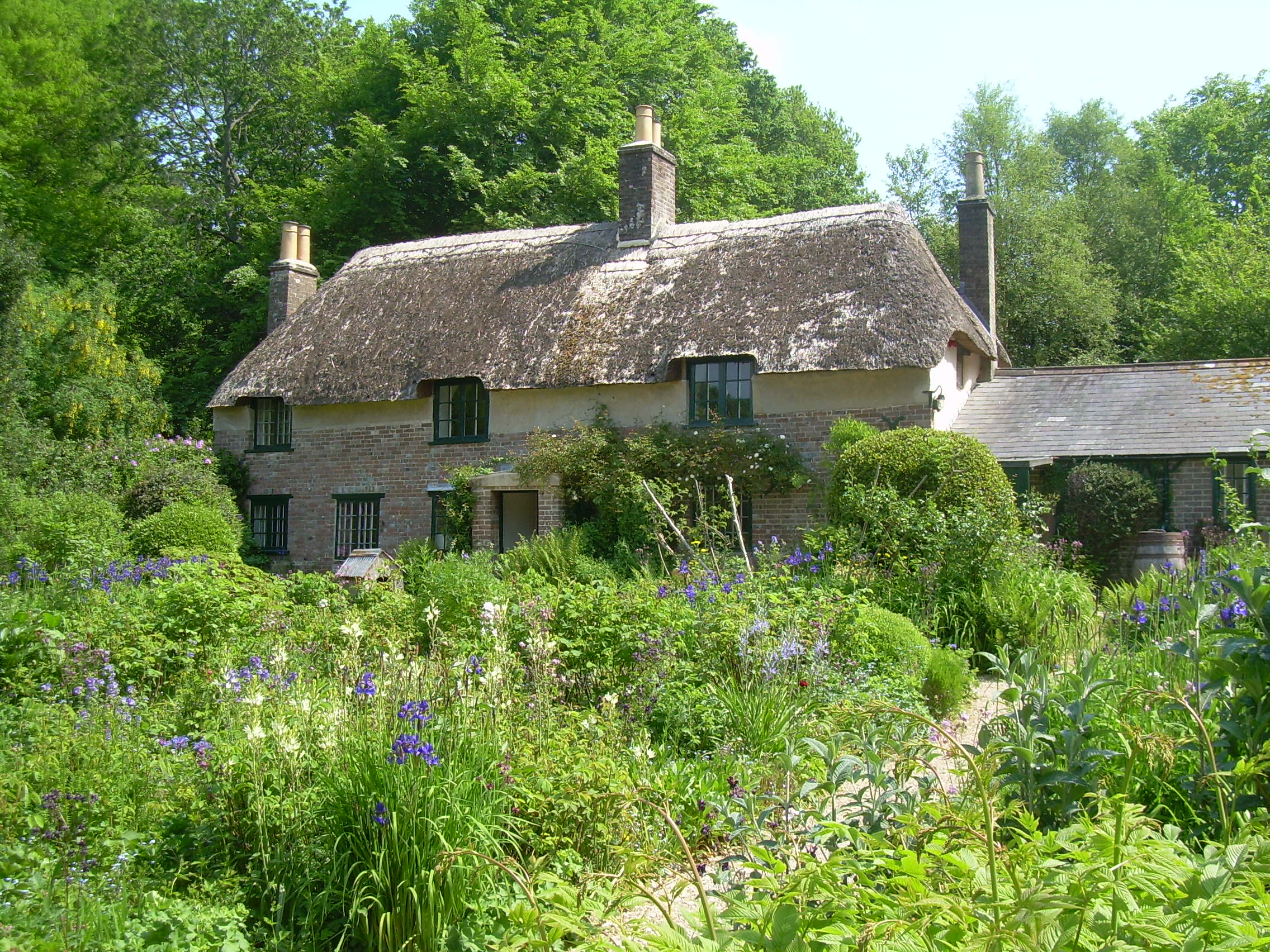
Just outside Dorchester in the parish of Stinsford, the poet and novelist Thomas Hardy was born in 1840. He grew up in the cob and thatch cottage at Bockhampton, which like Max Gate (the home he later designed and occupied from 1885 until his death in 1928) is open to the public through the National Trust.

From the car park, after a stroll through woodland, you reach the back of the cottage.  Follow the path to the gate and into the cottage garden, planted as it would have appeared when Hardy occupied the house. The accommodation was renovated to make room for a growing family, including turning a staircase around to create a bedroom for Hardy’s sisters.

This is the view from Thomas Hardy’s bedroom, where he was able to see on the hill at Portesham, the monument erected in memory of his distant relative Vice Admiral Sir Thomas Hardy.  You can find out more about this in an earlier post here.

It was at a small table, like this one, that Hardy wrote the first of his novels set in Wessex, the fictional county based upon Dorset. Few authors besides Hardy have such strong associations with the landscape and culture of their local area.

Read the rest of this entry »

12 Comments »

Bank Holiday Outing: Portsmouth Historic Dockyard

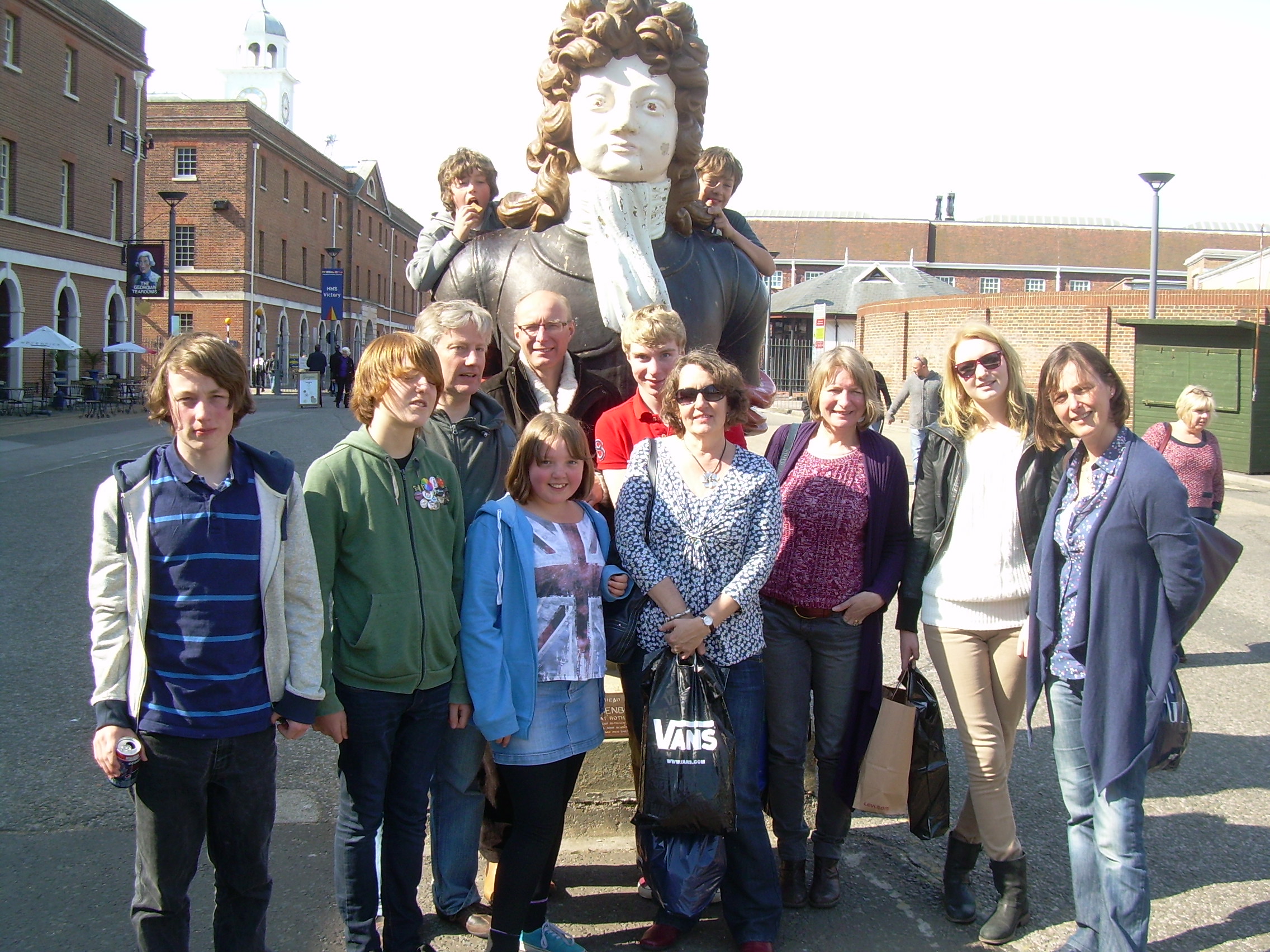
With two other families, we spent a day in Portsmouth.  Arriving in plenty of time to hit the shops at the factory outlet at Gunwharf Quays (my summer wardrobe is now suitably supplemented) we also managed to have a look around the historic dockyard.  While the men and children managed the tour, my friends and I reminisced about our last visit.  On that occasion, I set foot on HMS Victory and distinctly remember the guide sharing the story about the origins of the phrase ‘square meal’.  Read the rest of this entry »

12 Comments »

Launch of Dorset Voices

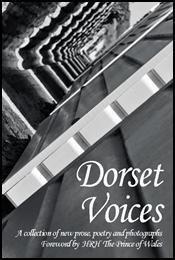
Dorset Voices is a wonderful showcase of literary talent and new photography in Dorset.  The editorial team (Jim Potts OBE, Maria Strani-Potts and Louisa Adjoa Parker) selected prose, poetry and photography submissions from across the county and with local publisher Roving Press, this makes the anthology and all-Dorset production. 

The launch of Dorset Voices will take place on 23 April as part of Bournemouth Festival of Words. Please come to Bournemouth Library, 22 The Triangle, BH2 5RQ from 6-8pm to meet the editors and publisher and purchase copies of the book.  I’ve offered to read ‘Dusting off the Memories’ my piece of flash fiction from the anthology and there will be other contributors sharing their work.  The event falls on World Book Night and the library will be busy with a number of events including a live theatre performance of scenes from ‘Midsummer Night’s Dream’. I think it will be a great occasion and I hope to see some of you there.

4 Comments »

And I always thought writing was hard work…

On one the most beautiful days of this year, I was in Waterstones, Dorchester selling copies of The Rosemary Project. The anthology comprises poetry and prose by writers from across Dorset and all money raised goes towards  Alzheimer’s Research and Mindful (which supports a memory cafe in North Dorset). Although The Rosemary Project was the branch best-seller for the day, I only managed to sell eleven copies. Read the rest of this entry »

13 Comments »

Flash Fiction at a Readers’ and Writers’ event in Dorset

The Exchange at Sturminster Newton was a busy place on Saturday with workshops and talks by authors and a good chance to meet and chat with other readers and writers. I finally got to meet fellow blogger Patsy Collins who has recently won a competition to have her first novel published.  Watch this space for more details of her book titled ‘Escape to the Country’.

Patrick Gale

I loved reading Notes from an exhibition by Patrick Gale and opted to join his workshop on flash fiction. I was interested when he said that a character’s back story from a novel can make an excellent piece of flash. This was reassuring as several of my latest attempts have been just that.

Patrick was also keen to promote entry into the Bridport Prize ( he is the judge for the flash fiction and short story categories) and

Read the rest of this entry »

11 Comments »

Write it like a recipe, write it like a three course meal

As part of my work for the local authority, I am frequently invited into schools to observe pupils who are learning English as an additional language.  As an advisory teacher, joining a lesson is part of my job that I really enjoy and this week I was lucky to be present during an English and a history lesson.  It was a coincidence that both lessons required the pupils to write recipes. The English class were studying the three witches scene in Macbeth, and using the second witch’s speech as a model, they created their own cauldron recipes. In the history lesson, the students were learning about the plague and were asked to invent a potion to cure the disease.  As you can imagine, some gruesome recipes were produced but it did start me wondering about using food as a  stimulus  for writing a short story or a piece of flash fiction. 

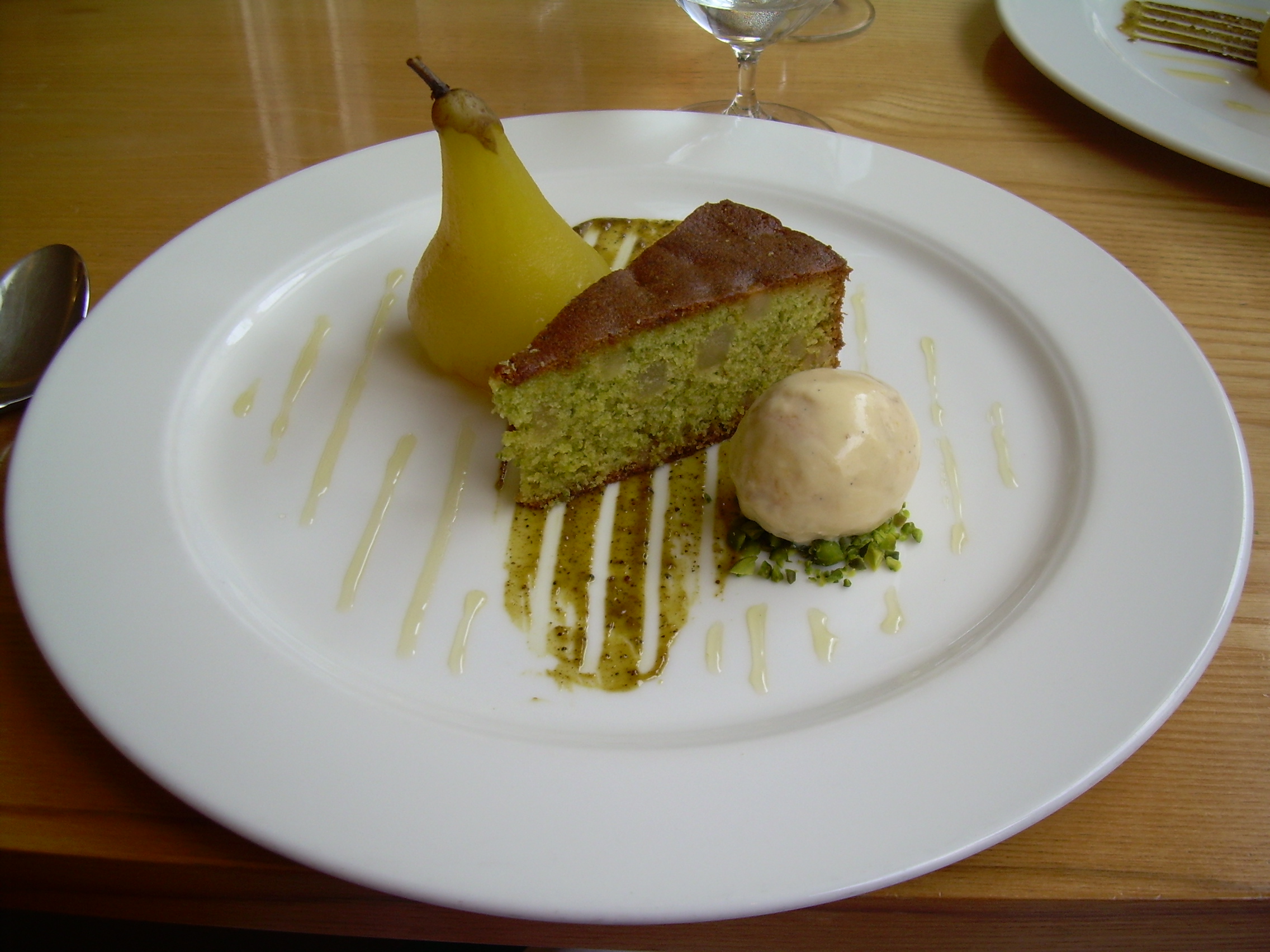
In Dorchester we have a Michelin star restaurant called Sienna and it’s within walking distance from my house.  As a special treat I was taken there on Friday and I’ve inserted photos of my lunch for anyone who would like to take up the challenge of writing a story around a three course meal. 

starter

Slow-cooked pork belly and apple terrine with sweet onion relish and crispy prosciutto.   

main course

Roast fillet of Cornish hake with bourguignon sauce and parsley dumplings.  

dessert

Saffron-poached pear with pistachio and marzipan cake, honeycomb ice cream.  

I needed an afternoon nap after that lot! Let me know how you get on if you decide to take up the three course challenge.

4 Comments »

Interview with Harry Grenville, Kindertransportee

Harry Grenville

Following Kristallnacht (Night of Broken Glass) in November 1938, when German and Austrian Nazis smashed 7,500 Jewish stores, the British Jewish Refugee Committee appealed to members of Parliament to admit to England children up to the age of 17. This resettlement was known as Kindertransport and in less than a year, 10,000 Jewish children made the journey from Germany and went to foster families, orphanages or group homes.  This was how Dorchester resident, Harry Grenville, came to live in Camelford, North Cornwall with his sister in July 1939.

What was it like leaving your family and coming to Britain?

As a child, I wasn’t part of the discussion, but I knew a lot of Jewish families in Ludwigsburg were talking about leaving. Not that anyone believed there would be an extermination, but life was getting difficult and there was talk in the community about an ejection.  The plan was that my parents and grandparents would apply for an American visa and we would meet again in the United States.  But my grandfather died from ill health in 1940 and my parents and grandmother were taken to Theresienstadt camp in 1942.

For me, the move was a very quick cut-off and I rapidly became immersed in village life. My sister and I were the foster children of a professional family and we were sent to the grammar school in the small town. I knew a little English when we arrived. I’d been kicked out of the German school in 1936 and then attended the Jewish School in Stuttgart twelve miles away, where I received some English lessons.  I also took private lessons with an elderly American lady from Boston.  In Camelford, I acquired English rapidly, within a month I was familiar with the North Cornwall dialect. My sister and I were welcomed by the village. The youngest son of my foster parents introduced me to others as ‘their refugee’ and the Headmaster’s younger son took a great interest in me. I became absorbed into Cornish life and regarded it as my home but not all Kindertransportees were so fortunate.

 Were you able to keep in touch with your parents?

When the war started it was no longer possible to keep up contact with my family in Germany.  Some relatives passed on letters through Rotterdam and some distant relatives in Seville were able to communicate.  My father’s elder sister in New York also helped.  Through the International Red Cross we received 25-word letters, the last one came in 1944  saying they were leaving the camp for the east. There were no more letters after that. 

Theresienstadt wasn’t an extermination camp but a place where Jews from Germany, Austria, Czechoslovakia and Hungary were sent.  There was terrible overcrowding and the conditions were poor. Later, most were sent to Auschwitz. When I went to the International Red Cross in Northumberland Avenue in late 1945, their names did not appear amongst the lists of survivors and our fears were confirmed.  

Were you able to grieve for your family?

Not at the time.  I was too busy working for the army. I’d kept up my knowledge of German when I lived in London and worked in a lab at Hammersmith Hospital.  At the time, the army was recruiting interpreters and although I wasn’t accepted into the Russian programme, I was able to train as a German interpreter.  It was a very intensive course and I studied alongside service people and girls who’d completed German A level. Eventually, I was appointed as an interpreter and worked with the administration of the German Prisoner of War camps. I met my wife while I was based in Cattistock and my last job was in Cheltenham.  As part of the work, we had to give the prisoners of war a political grading.  I met a couple of unrepentant Nazis, but 90% were non political and didn’t care.

I came close to a sense of personal sadness in 2009 when I was invited to Germany to see the stolpersteine (stumbling blocks) laid by Gunter Demnig in remembrance of my parents and grandmother.  These are cobblestone-sized memorials for victims of Nazism, set into the paving stones.  I was glad my three children accompanied me as it was very emotional, revisiting the town, the building where my father ran his wholesale business and the flat we lived in.

How do you feel about the continuing market for books and films about the Holocaust?

There’s a lot of literary output about the Nazi period and it’s right that children learn about this in school. I watched The Boy in the Striped Pyjamas on television and was deeply disturbed by that – the horror of it all. 

How has your personal history impacted on your sense of identity?

I was born Heinz Willy Greilsamer but I’ve been Harry Grenville for much longer.  I joined the British Army and later became a teacher of biology.  I am very much part of the British way of life.  I am happy to talk about my experiences, I certainly don’t hide anything.

Thank you very much Harry.
12 Comments »