the writer is a lonely hunter

writing by Gail Aldwin and other authors

#fridayflash: yearning

Yearning

Holding the phone to his ear, he counts the rings.  Claire answers on the fourth.

            ‘Is your mother still there?’ He doesn’t wait for a greeting.

            ‘She’s taken the kids into town.’

            ‘So that’s more free childcare for you.’

            ‘She offered,’ Claire draws a breath.

            ‘I’d look after your children anytime.You know I would. I’ve asked often enough.’

            ‘Yeah, yeah.’ Claire exhales and he guesses she’s taken up smoking again.

            ‘When your mother gets back, can you give me a call?’

            ‘Fine.’ The line goes dead.

            ‘Fine.’ He returns the handset to its cradle.

            Sitting in the armchair, he stretches his legs. Settled for the afternoon, he watches the grey belly of sky through the window and he gropes behind the curtain. Finding the bottle he swirls it, watching the whisky lick the sides. There’s enough to keep him going, for the rest of the day at least. In the tumbler grimy with fingerprints, he pours a large one. Titling the glass, he savours the peaty smell and his nose tweaks at the prospect of a good, steady slug. There’s a nub of anaesthesia as he swallows and his shoulders relax. Smacking his lips as he downs the last drop, he nurses the glass between his fingers.With his eyelids sagging, the tension drifts.

            The trill of the telephone wakes him but he doesn’t answer. Instead he talks to the darkened room.

            ‘Call yourself my daughter? You’re a bloody bitch – you’ve been one since the day you were born.’

This piece of flash fiction currently appears on the National Flash Fiction Day website.  National Flash Fiction Day is held on 16 May 2012.

16 Comments »

Write it like a recipe, write it like a three course meal

As part of my work for the local authority, I am frequently invited into schools to observe pupils who are learning English as an additional language.  As an advisory teacher, joining a lesson is part of my job that I really enjoy and this week I was lucky to be present during an English and a history lesson.  It was a coincidence that both lessons required the pupils to write recipes. The English class were studying the three witches scene in Macbeth, and using the second witch’s speech as a model, they created their own cauldron recipes. In the history lesson, the students were learning about the plague and were asked to invent a potion to cure the disease.  As you can imagine, some gruesome recipes were produced but it did start me wondering about using food as a  stimulus  for writing a short story or a piece of flash fiction. 

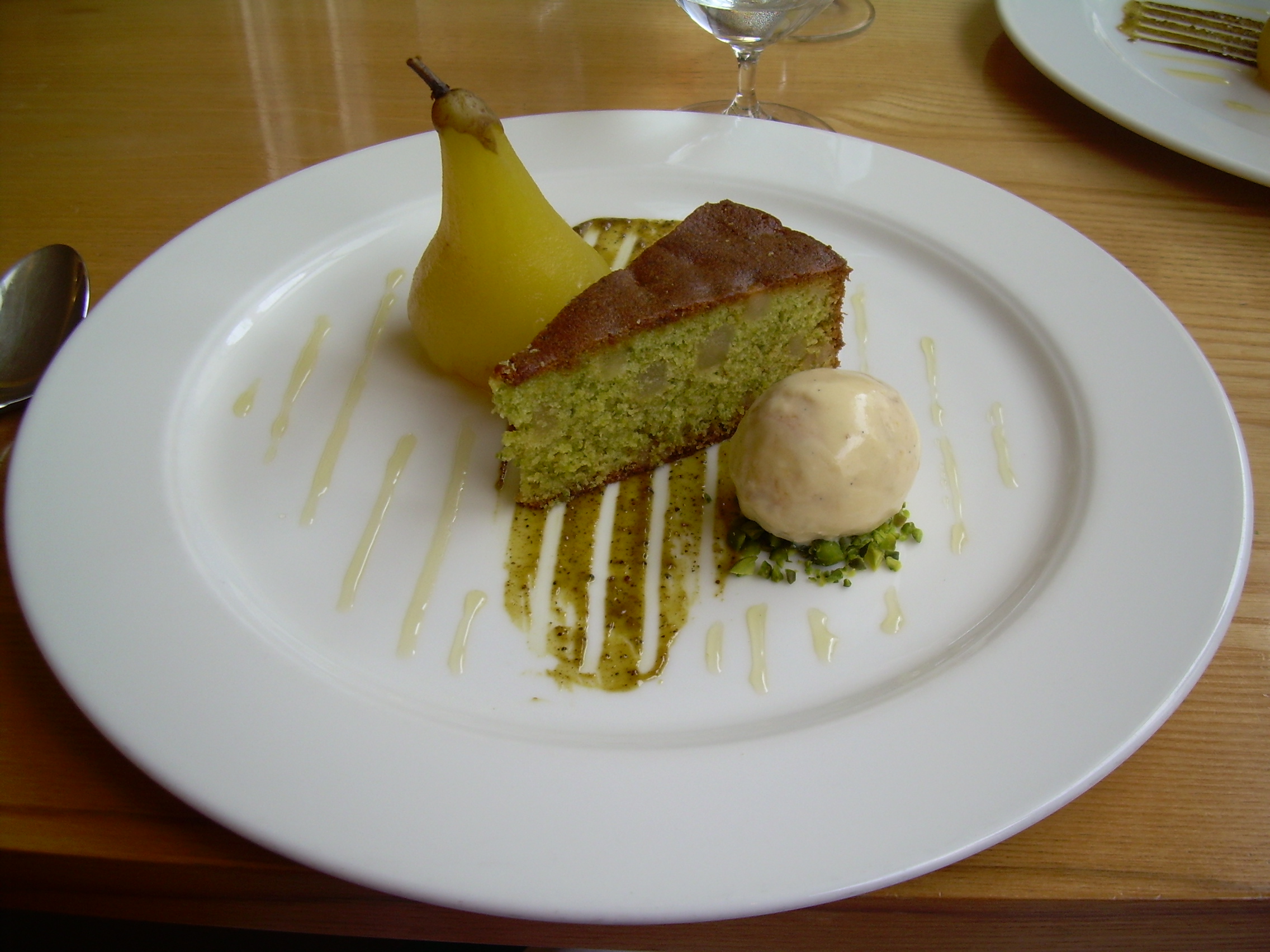
In Dorchester we have a Michelin star restaurant called Sienna and it’s within walking distance from my house.  As a special treat I was taken there on Friday and I’ve inserted photos of my lunch for anyone who would like to take up the challenge of writing a story around a three course meal. 

starter

Slow-cooked pork belly and apple terrine with sweet onion relish and crispy prosciutto.   

main course

Roast fillet of Cornish hake with bourguignon sauce and parsley dumplings.  

dessert

Saffron-poached pear with pistachio and marzipan cake, honeycomb ice cream.  

I needed an afternoon nap after that lot! Let me know how you get on if you decide to take up the three course challenge.

4 Comments »

#fridayflash: waiting

Fiona paces the kitchen, keeping her feet inside the flagstone squares, then she stops and stares through the French windows into the garden. The flowerbeds are bedraggled, the winter frost has killed off any growth and only the potted Christmas tree, discarded on the patio, sprouts a few green needles. Sitting at the kitchen table, Liz snorts at the photographs of fashion mishaps in a magazine. Read the rest of this entry »

4 Comments »

Thomas Hardy and Dorchester

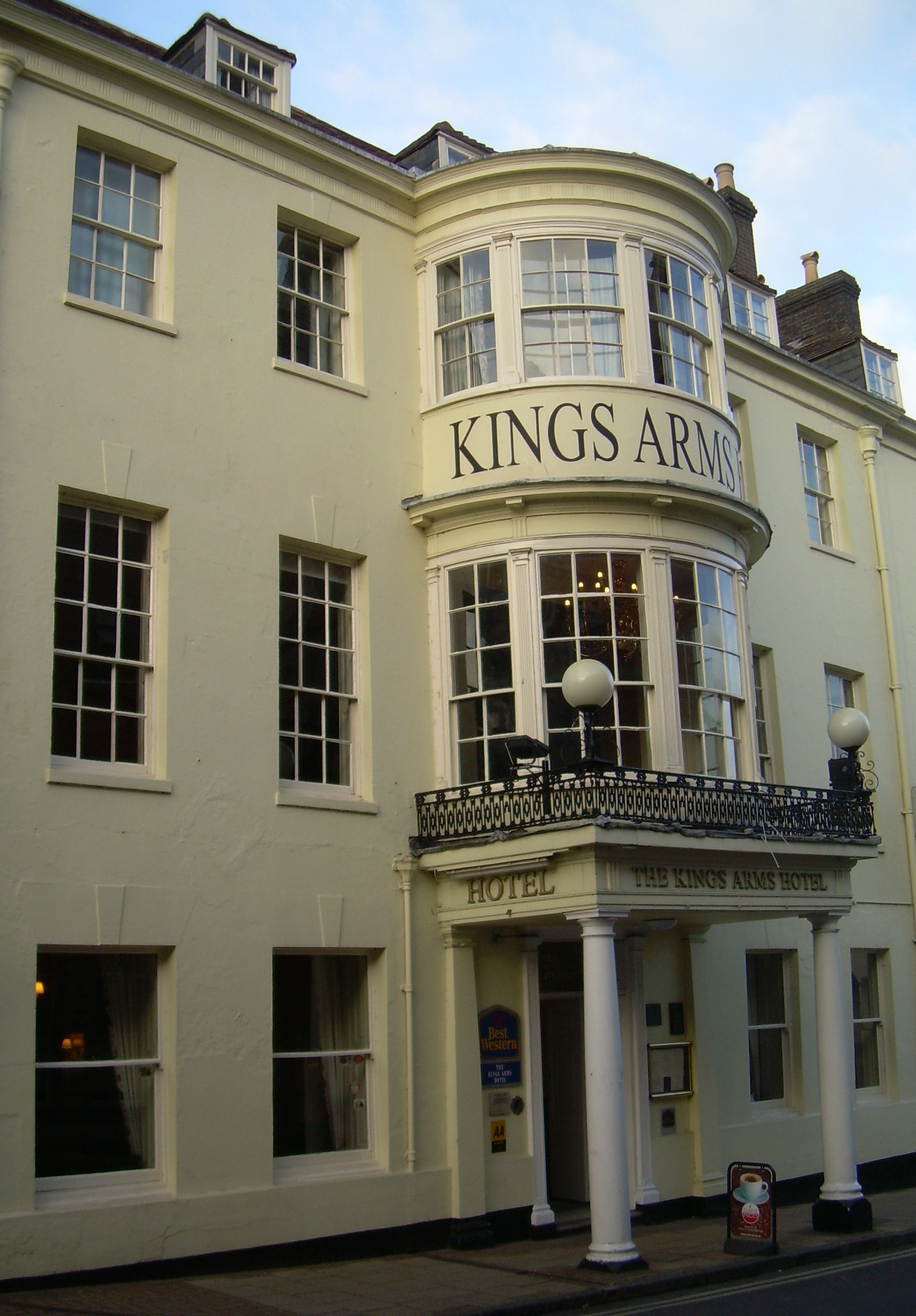
In Thomas Hardy’s tragic novel, Michael Henchard is the eponymous Mayor of Casterbridge who lives in the fictional town (based upon Dorchester). When I moved to the county five years ago, this was the first book I read as a Dorset resident. The narrative follows the actions of Henchard, who sells his wife and young daughter after drinking too much at a fair. Years later, when his wife tracks him down, she sees him at the hotel, through the ‘spacious bow-window projected onto the street over the main portico’ and learns that he is being entertained as the Mayor.

The King's Arms

 
This is a photograph of the hotel today and it’s just one of the buildings of the town, described by Hardy.


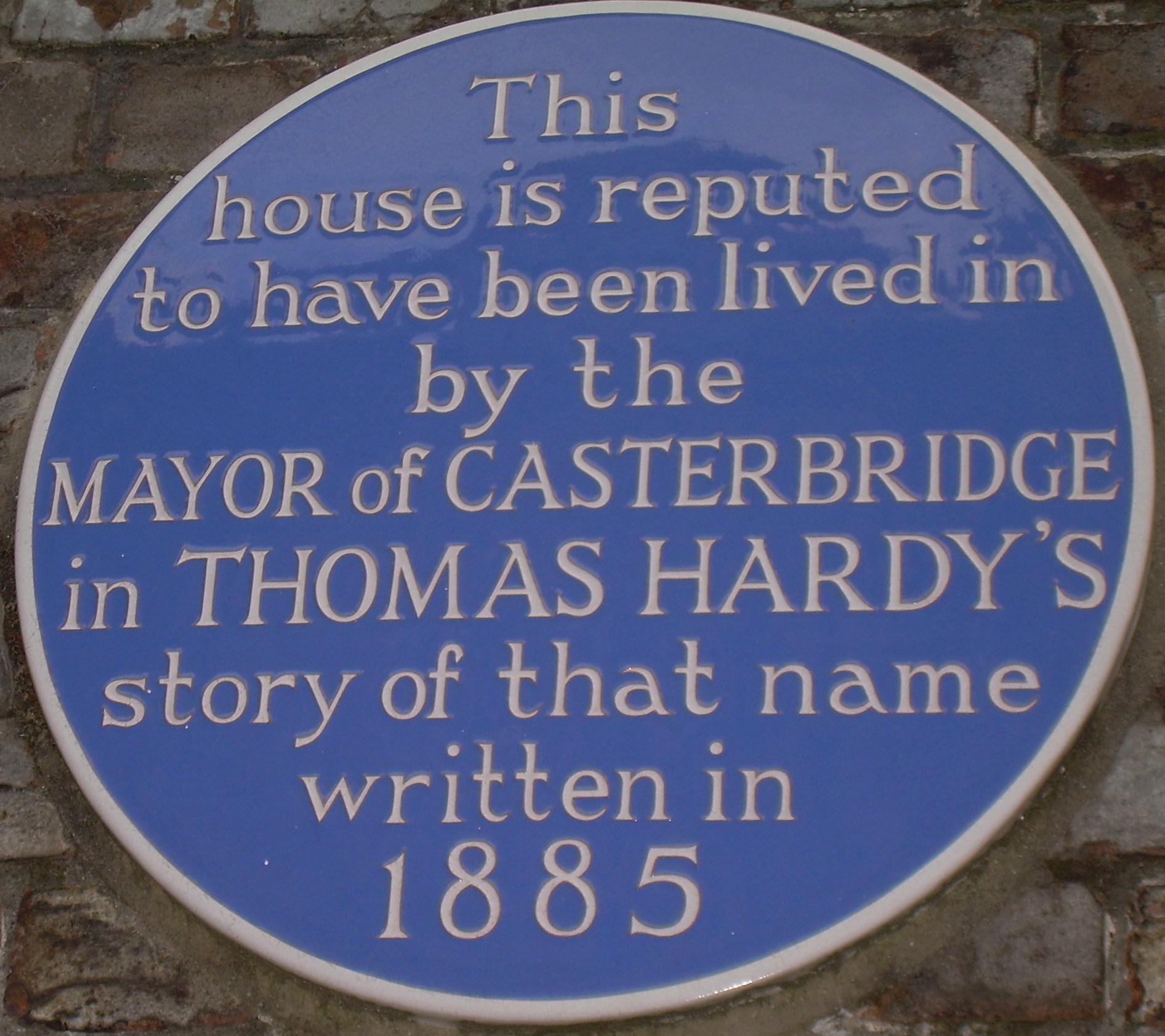
Plaque on Barclays Bank


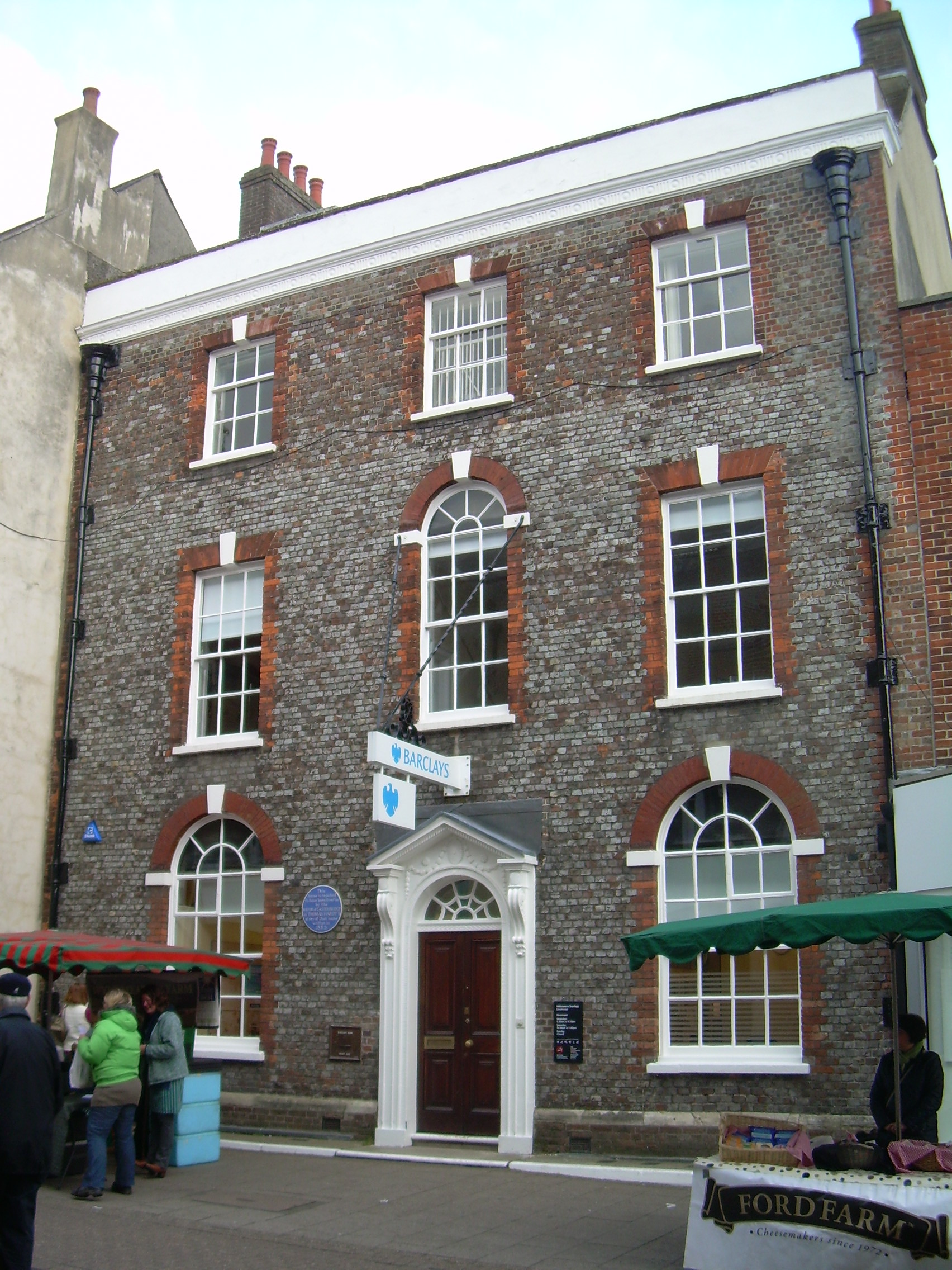
Barclays Bank bears this plaque indicating its connection to the novel. And below is a photo of the building.
 

Henchard's House

 
Henchard’s house was ‘one of the best, faced with dull red-and-grey brick. The front door was open, and, as in other houses, she could see through the passage to the end of the garden nearly a quarter of a mile off.’
 
Chapter 9, The Mayor of Casterbridge


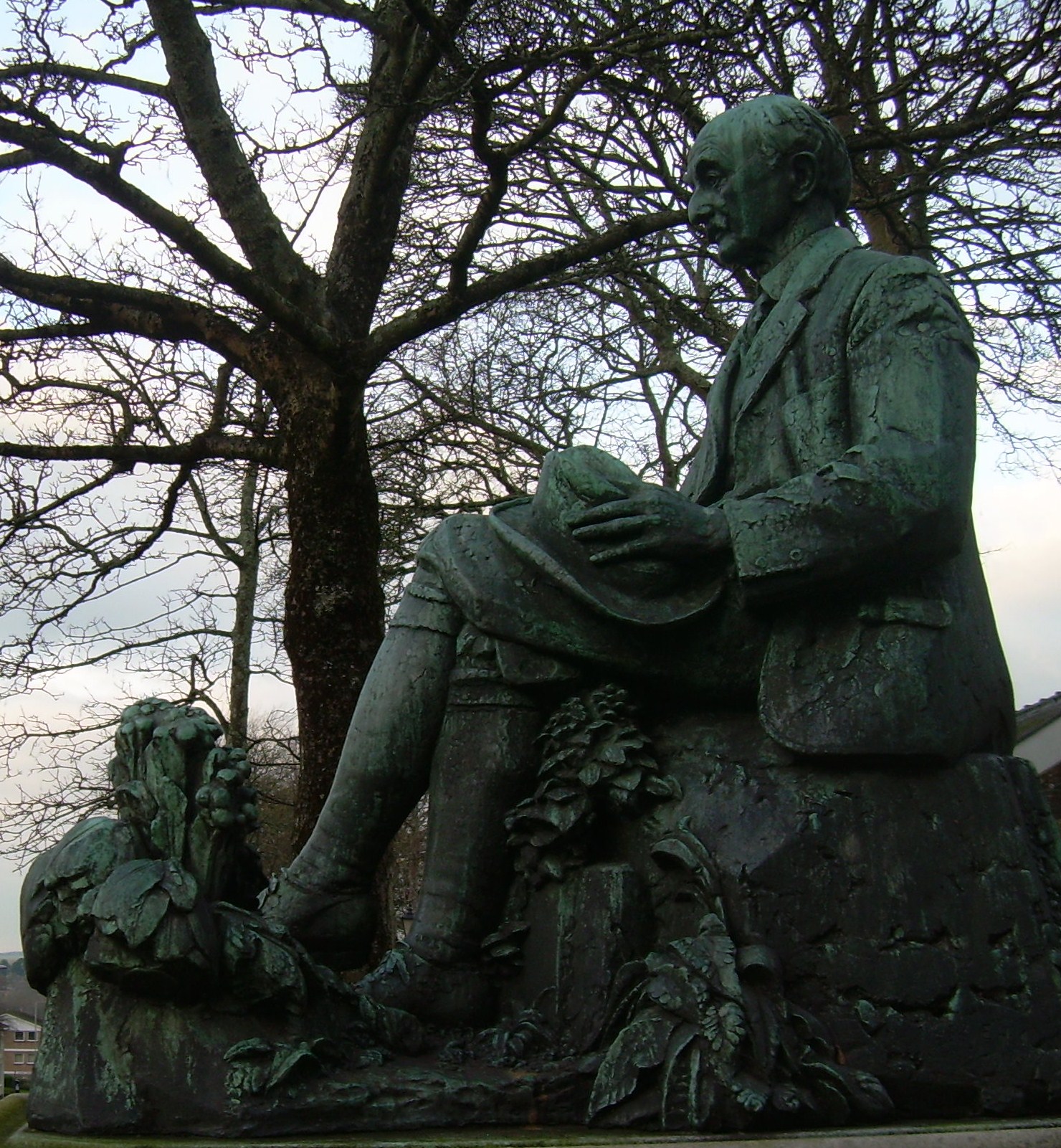
Statue of Thomas Hardy

 
In 1931 the statue of Thomas Hardy was unveiled by James Barrie, author of Peter Pan. Each year wreaths are laid here on the Saturday nearest to the anniversary of Hardy’s birth on 2 June. 


When the weather improves, I’ll cycle over to Stinsford to take photographs of the church where Hardy’s family are buried and visit the National Trust property that is the home of his birth.
 
If this focus on Dorchester has inspired you to share your stories about  places in the UK that have a literary link, please think about joining a new project called ‘Literary UK’. You can become involved by posting information through writing, photography or painting. For further information, please contact Victoria Bantock (editor, What the Dickens? Magazine): victoria@wtd-magazine.com
 
 
Leave a comment »

New Writers’ Scheme

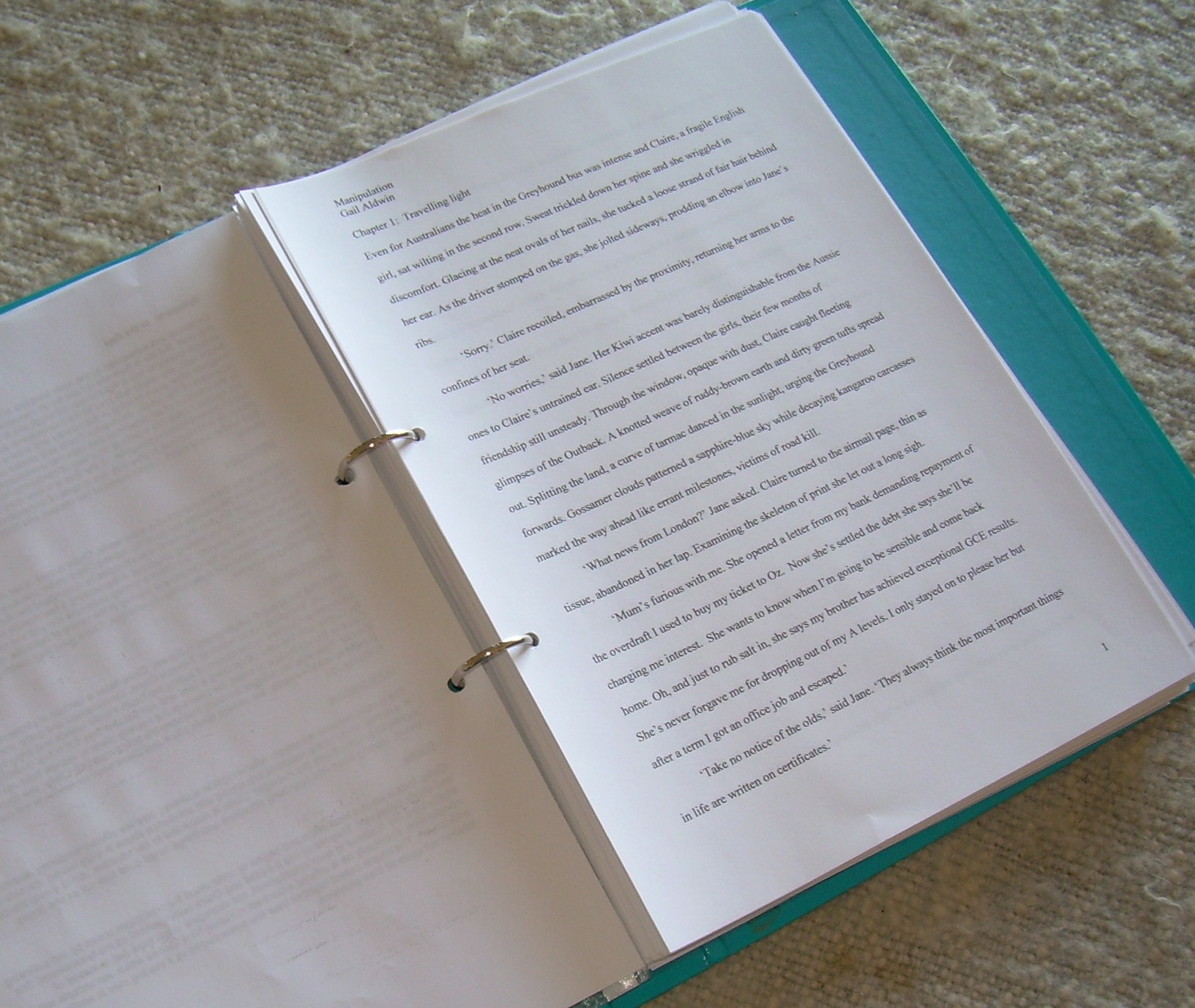
TS Manipulation

I was at my desk during the early hours of 2 January to ensure that my email application for a place on the New Writers’ Scheme run by the Romantic Novelists’ Association was accepted. The scheme is oversubscribed every year, so now that I have my confirmation pack, I finally feel like a member. My task until the end of August is to redraft the manuscript of my first novel ready for assessment.

Manipulation has been languishing in a drawer while I’ve been occupied with other writing and it’s been reassuring to return to the characters I first created in 2009. (Further details of the story can be found under the ‘manuscripts’ tab.) I have much work to do as feedback from critical friends has identified weaknesses:

  • the language of the novel needs to be more adventurous
  • the characters and the romance require sympathetic attention
  • the location (Outback Australia) should be fully explored

When the RNA receive my manuscript, a reader will be appointed to review the entire work and it may be referred to a second reader, as a possible pathway to publication. However, it’s more likely that the work will be returned with suggestions for further improvements. Should this happen, Katie Fforde, President of the RNA, advises against feeling downcast for too long and to make the most of the guidance offered. She says, ‘a rule of thumb is, if your reader thinks something needs changing it probably does’.

Criticism is sometimes hard to accept and tenacity is required to remain focused and confident that you have the skills to improve the work to a publishable standard. Gruelling though it may be, critical reviews often provide the right advice to move your writing onto the next level. If you’re interested in receiving support for a novel that you’re working on, (it doesn’t have to be romance, as with the RNA scheme) it may be worth entering the Adventures in Fiction competition where the winner of the Spotlight First Page will be offered a mentoring package and other input and support. You’ll have to be quick as the deadline is 14 February 2012 and the cost is £16.

2 Comments »

#FridayFlash: Stone

The dining room is laid with paper cloths and napkins. In my pocket, the stone slips between my fingers, the surface smooth and cold. I found it in the garden as I shuffled along the path. I think of Laura and her mellow gaze, her eyes watching my mouth as she tries to understand the words that I dribble. I place the distorted heart on the table where she sits, a stone love letter.

This 75-word short story (including title) was first published by Paragraph Planet, 23 January 2012. Website: http://www.paragraphplanet.com

8 Comments »

Looking through the window: ideas for writing

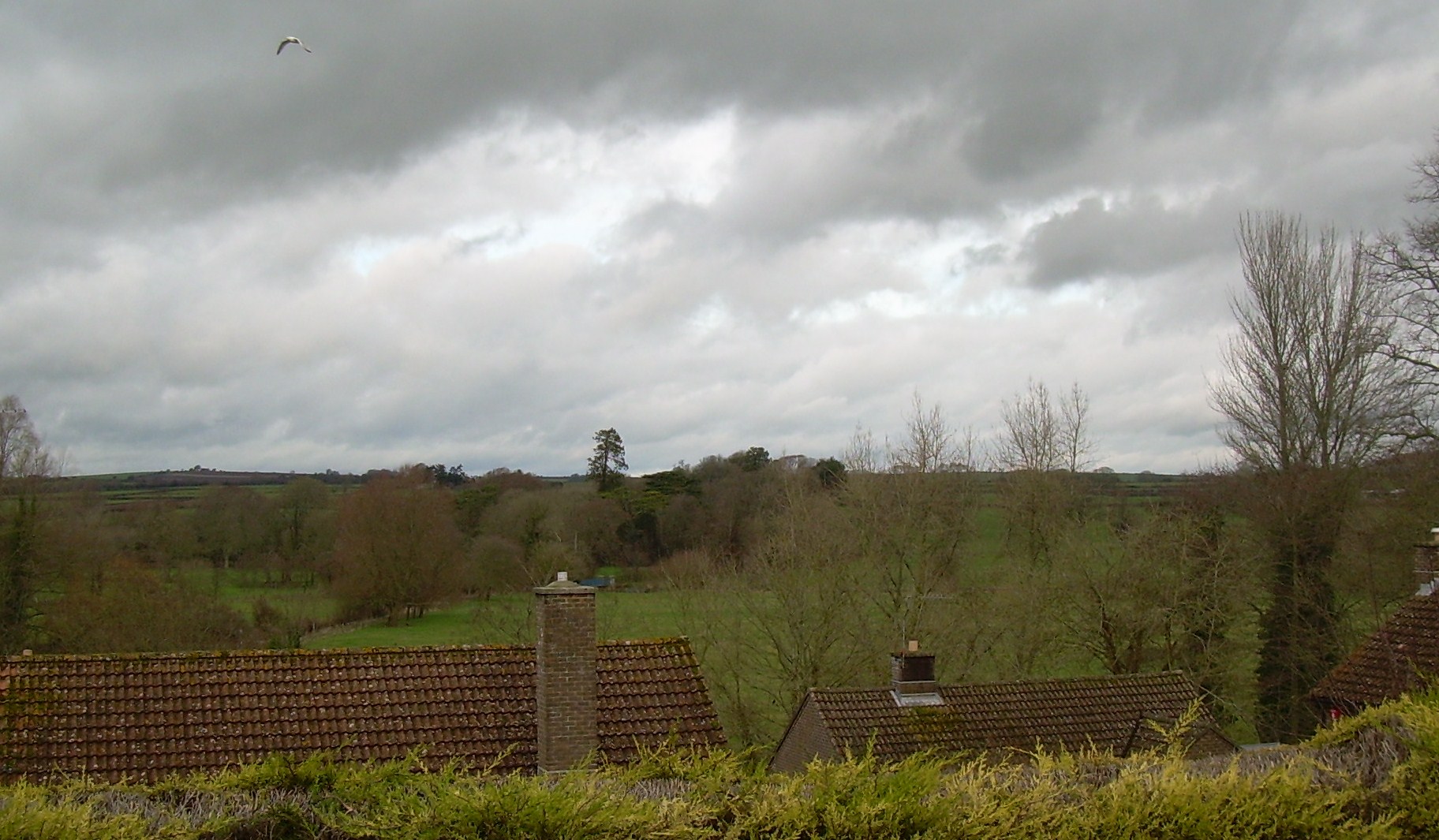
view to the north

I live in Dorchester, the county town of Dorset. This is one of the views from my house. Even on a winter’s day the outlook is, well, pleasing. Fortunately, the window in the study is set too high in the wall to cause a distraction when I’m writing at my desk. But it is lovely to stare at the water meadows whenever I’m taking a break. Thomas Hardy describes the town in The Mayor of Casterbridge as standing, ‘clean-cut and distinct, like a cheeseboard on a green table-cloth’. I imagine it is this view to the north that is the cloth. 

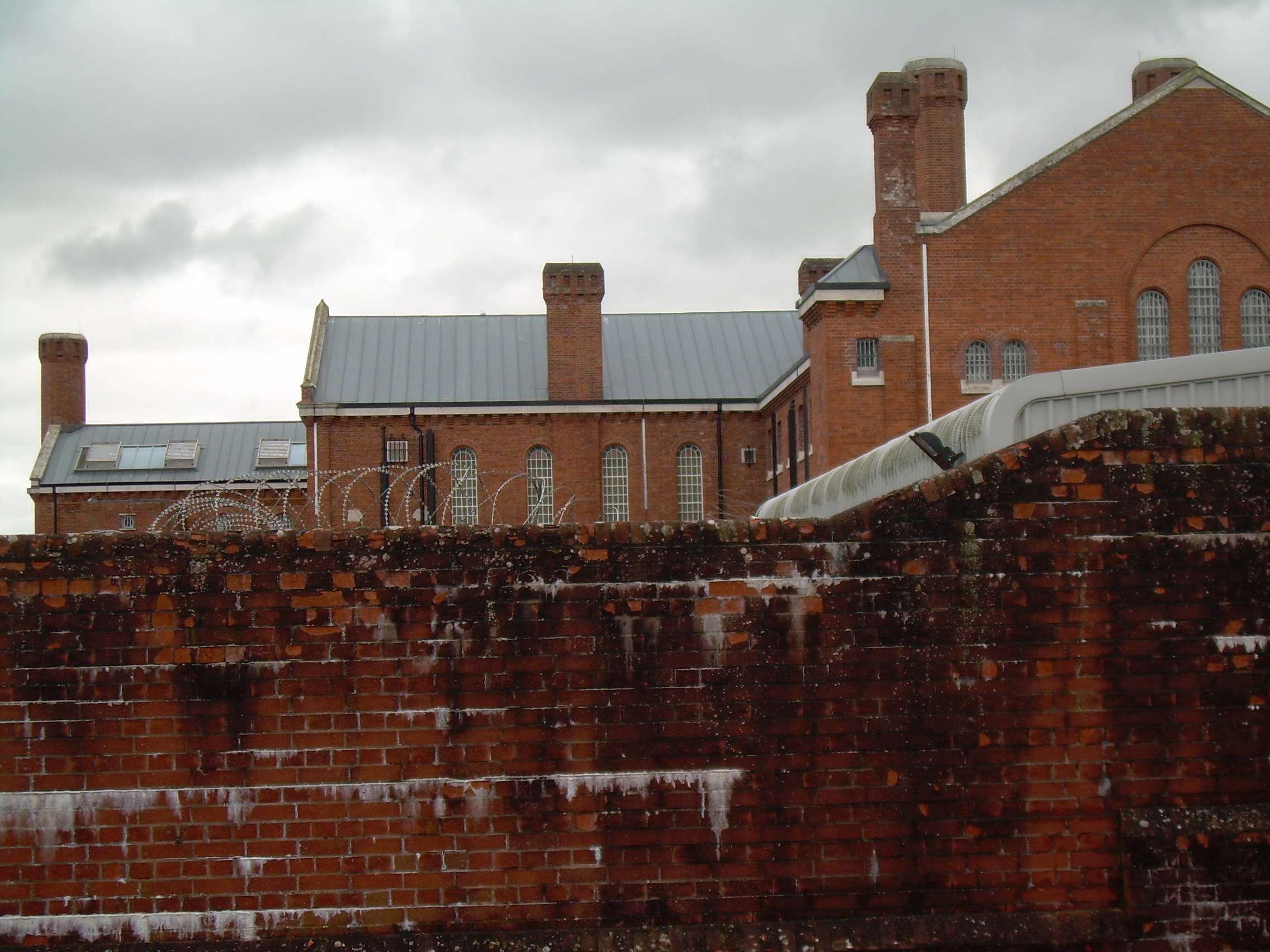
view to the east

If I turn my head to the right, the view is completely different. Look carefully and you’ll notice the razor wire on top of the wall. This is Dorchester Prison, a Victorian building that holds 250 male prisoners: half on remand, the other half convicted prisoners, including some serving life prison sentences.  

With two such different views, looking through the window always helps in generating ideas for writing.  While the country views assist with the description of place,  it’s looking at the prison that pricks my curiosity.  In the summer I can hear shouts as the prisoners communicate through the open windows of their cells. And walking through the town, the prison officers are distinctive in their black uniforms. When I tell people I live next door to a prison, they wonder why I haven’t taken up crime writing. It’s never too late, I think.

6 Comments »

Interview with Louisa Adjoa Parker

Louisa is a writer, poet and Arts Project Co-ordinator who has lived in the West Country since she was 13. Her first poetry collection, Salt-sweat and Tears was published by Cinnamon Press to critical acclaim in 2007. She has also written a book and exhibition about the history of African and Caribbean people in Dorset over the past 400 years, both entitled Dorset’s Hidden Histories. Louisa has recently worked on a project using images and stories to celebrate multi-ethnic Dorset. Funded by Arts Council England and Dorset County Council, the exhibition and book is called All Different, All Dorset was launched in September 2011. Louisa is passionate about equality and the Arts, and hopes to inspire people from a range of backgrounds to become interested in writing.  

Let’s start with your writing journey

I wrote a few adventure stories when I was about six, which my mum said were like Enid Blyton books and I still have a poem written at that time. When I was a teenager I kept a diary for three years and wrote about everything that happened to me. As an adult, I turned to letter writing to try to sort out problems with relationships. In 2002, I went to Exeter University to complete the degree I’d started with the Open University, and I began writing poetry alongside the essays and coursework. I was encouraged by Selima Hill and I had a poem published in a magazine. Getting published was exciting and encouraged me to write more. I realised I had a lot to say about being dual heritage and growing up in white communities. My Dad is Ghanaian and came to England in the late 60s for education and he met and married my mum and had three children with her. We lived in Yorkshire, Cambridgeshire, and then when my Dad left we moved to Devon. Growing up knowing only the white side of my family was weird. No one wanted to talk about my background. Writing helped me to explore unresolved issues around my identity. It helped me come to terms with some of the things that had happened, racism and domestic violence.

What inspires you to write now?

Lots of different things, but I usually write about emotional and difficult subject matter, like relationships and parenting. When I’m writing poetry ideas come to me. For example, I read a newspaper article about a young girl who left her dead baby in a railway station bin and I wrote a poem about it that was shortlisted for the Bridport Prize in 2010.

How does writing prose compare to writing poetry?

I research and write non-fiction books relating to Black History but I always look for the story in whatever I write. I’ve started my first novel which came from a seed of an idea but I find novel writing more challenging than poetry because of the length and the need to navigate the story in my head. Activating the imagination in a novel is a different process to describing an event through poetry. Poetry leaps into my mind through an idea or image, but the novel takes more working at.

What do you think about writing competitions?

I entered the Cinnamon Press Poetry Competition in 2005 and was long listed. The following year I entered again and had my collection of poetry Salt-sweat and Tears published as the prize. Now, I enter competitions occasionally, but it’s usually dependent on having the time and energy to submit and the money to pay the submission fee. It’s unfortunate that the cost of entry excludes some people. I entered the Mslexia First Novel Competition in 2011 and was longlisted for my novel, The Red Behind Her Eyes. The story is about a teenager who hits back against her stepfather who inflicts violence on the family.

I think it’s worth entering competitions but don’t get too hung up about it. It’s easy to imagine you’ve got a good chance of winning and being discovered, only to be disappointed. I’d encourage people to enter, because it’s good to take part, but have realistic expectations.   

Which authors and poets have most influenced you?

With poetry I was influenced in the early days by Selima Hill. With novels, I’ve read thousands and can’t remember offhand the many writers I love! At the moment I’m working my way through Emma Donoghue’s books. I like crime novels such as those by Ruth Rendell which, although aren’t great works of literature, tell a good story. I am often drawn to the darker side of life through fiction. I like writing that’s authentic, that doesn’t have to use big words to say what needs to be said. Literature doesn’t need big words – I think this excludes some readers. I do relate to black/dual heritage writers as I can understand their experiences. I love Jackie Kay’s work, fiction and poetry. Other poets I admire include John Siddique, Moniza Alvi, Linton Kwesi Johnson, Helen Dunmore, Catherine Smith, Julia Copus and many many more. I am quite fussy about both poetry and prose, and it has to somehow grab me, draw me in and really say something to me or I can’t be bothered to read it.

What tips do you have for new writers?

Keep writing, even if you think it’s rubbish. Share your work with other writers, in person or on-line. Sometimes I get family members to read my work but it’s better to get people who write to comment on your work. Read widely – you’ll get inspired by different writing styles and stories. If you read, you’ll find out what’s being published, what’s topical and how your writing compares. Keep writing because the process is important – you’ll develop skills by practising.  

Thank you, Louisa

2 Comments »

Celebrate reading and writing, 10.03.12, £15

Dorset County Council Library Service is hosting its first Readers’ & Writers’ Day on 10 March 2012 to celebrate the creativity of reading and writing. Titled Sharing the Passion, the day offers the opportunity to join authors Robert Goddard, Sophie Hannah, Lindsey Davis, Patrick Gale and Natasha Solomons to share the passion generated by talking about books and writing. There will be morning and afternoon creative writing workshops and book discussion sessions. The cost for the whole day (including lunch) is only £15, making it well worth spending a day in Sturminster Newton, Dorset. I’ve already booked my place (early bird bookings are £13 until 16 January) and I hope to see you at the event.   Find further information here.

10 Comments »

Moving forward: writing groups

I love a fresh start and now that the tree is down, the cards put away and the bottles are in the recycling, I’m ready to greet 2012 with my first post of the year.  Thank you for following me and I hope that I’ll be able to generate discussion about books and writing. In this post, I’m thinking about writing groups.

Receiving feedback on written work is always valuable.  Typos alone are difficult to spot and being confident that you’ve met the needs of your reader is never easy.  That’s when the advice of a critical friend is particularly helpful.  Presenting work for comment can be a daunting experience but one that may identify strengths and areas for development.  Writing groups are an excellent way to share work, particularly when there is strong leadership/facilitation and committed members who ensure that participants enjoy a supportive environment. If I were able to have an ideal group, it would include the following:   

  • 4-6 people, including some experienced writers
  • A focus either on poetry or prose
  • Monthly scheduled meetings
  • Opportunities for critical feedback, writing activities and tasks
  • A comfortable venue with access to refreshments

Indeed, my ideal is similar to the writing group I currently attend but it’s not always easy to find a group that works for you.  As an alternative, you might like to consider starting your own group, but if you go down this route, it is worth ensuring that the boundaries are clear:

  • Develop terms of reference that identify what the group hopes to achieve, how the group will operate, ground rules
  • Be clear about the roles and responsibilities for participants, facilitators/group leaders
  • Have an understanding of group dynamics

Alternatively, it’s worth considering an on-line forum. My New Year Resolution is to showcase an example of my writing each month on this blog. By linking the post to the #fridayflash community, I increase my visibility as a writer and receive feedback on my work.  It’s also a fun way to meet other writers, read their work and share experiences. If you’re interested in becoming part of an on-line writing community, have a think about joining this group.

http://madutopia.com/blog/fridayflash/what-is-fridayflash/

10 Comments »