the writer is a lonely hunter

writing by Gail Aldwin and other authors

Reading outside my comfort zone

I’ve been experimenting with genres of books I wouldn’t normally read. With increasing years, I’m told people are less open to new experiences because we feel more comfortable staying within the predictable. As I have a big birthday approaching, now seems a good time to try some new reading material. Please find below reviews for three books that have taken me beyond the contemporary fiction, women’s fiction and historical fiction that I normally read.

The Future BuildersD N Knox and Colin Payn

Science Fiction/Techno Fiction/ Climate Change Fiction
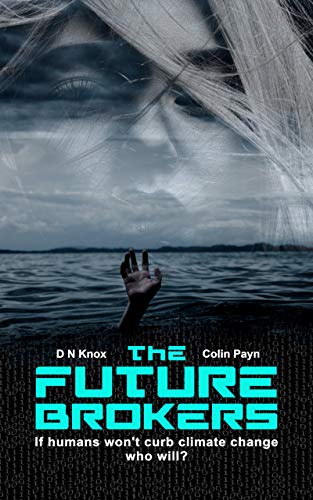
First it was the compelling cover image then it was the fascinating title that piqued my interest. From the very first page of The Future Brokers, I was intrigued by this ingenious glimpse into the world of 2050. Medical advances mean that following an accident, George’s body is fitted with devices that give him an edge which becomes of particular interest to others. The world in which he lives is oddly recognisable but strangely sinister. From the multiple viewpoints and distinct voices, (I particularly love George’s sense of humour) I was able to understand the motivations of the different characters which became an excellent way to drive the plot forward. As the threads come together, momentum builds to offer a tense and exciting climax.

Amazon UK

The HeronJean M Roberts

Time Travel Fiction 

The rich, sensory writing in The Heron drew me into the story. Jean Roberts introduces the setting of the novel as Pine Tree House, Oyster River, New Hampshire. Using a dual timeline, the story switches from a contemporary narrative to the seventeenth century. Abbey is a feisty protagonist who visits the house and is inducted into paranormal happenings by Jeremiah and Miriam. She navigates the past and the present to identify similarities in experiences. This is a confidently told story, full of detail and description. It’s an impressive, sensory and engaging read. 

Amazon UKAmazon USA

Mother of Floods, Madeleine F White

Science Fiction and Fantasy Art
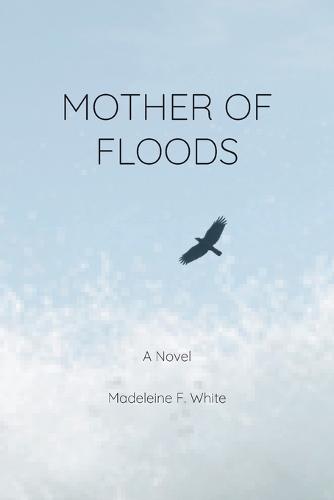
A patchwork of women’s experiences, Mother of Floods is embroidered with traditional tales to pinpoint key beliefs and values. The rich prose adds rhythm to the story, resonant of the drums that bring about change. In this ambitious debut, White weaves together stories of family struggles in Zimbabwe, Indonesia and Iraq. In Britain, Dave the deceased husband of Martha, slips into the virtual world to keep tabs on his family, discover new insights into their challenges and dilemmas, and intercepts to give the support he was unable to offer while alive. Their story explodes into one of universal significance. The dystopian world that evolves casts light on individual experiences and the golden thread that joins us. A remarkable story.

Amazon UKAmazon USABookshopUK

What do you think are the advantages for writers in reading outside their normal comfort zone? 

Leave a comment »

Welcome to Jessica Norrie, author of The Magic Carpet

I became aware of Jessica Norrie and her novels through membership of a Facebook Group called Book Connectors. As the name suggests, it’s a place to connect, particularly targeted to authors and book bloggers. It was with real interest that I was drawn to Jessica’s novel The Magic Carpet. There are certain commonalities in our experiences as authors (we were both formerly teachers) and in the subject of our novels. Jessica’s novel The Magic Carpet covers the experiences of five families with children attending Year Three in an outer London school during the start of the academic year 2016. This Much Huxley Knows is set in the suburbs of London during the autumn term of the same year and is written from the viewpoint of a seven-year-old boy in Year Two.

Following email exchanges, I invited Jessica to The Writer is a Lonely Hunter in order to find out more about her experiencesI extend a warm welcome to Jessica and invite her to answer the following questions that occurred to me while reading The Magic Carpet. 

  • Although The Magic Carpet focuses on particular families during a specific time period, did you write this novel with universal truths in mind?

Towards the end of my teaching career, I felt the need to distil thirty years, thousands of individuals, situations and conversations into something coherent, otherwise they’d all continue buzzing round my head and I wouldn’t feel free to concentrate on anything else. As everyone knows, all human children and adults combine their similarities in different ways that make them into individuals but with common interests. I wanted to see if I could get at that. 

  • There is a large cast of characters in The Magic Carpet and the use of multiple viewpoints. How did you plan and write the novel to offer perspectives from so many different community members?

A 7-year-old said one day “If we only write in capital letters, you can’t tell us off for not using them.” That says so much about how children’s minds explore ideas, and what’s good and bad about learning to write. In the book I gave Mandeep the idea, and a grandmother who’s probably dyslexic but never diagnosed and helps with his homework after school, then I filled out the family, added neighbours, worked my way along the street… Actually five families reflect a fraction of what teachers encounter daily. Whenever I was struggling with the multiple POVs I reminded myself I was usually bombarded with thirty at once. It was just a question of keeping order. 

  • As the title of your novel suggests, traditional stories and personal histories are central to the writing. How important do you think traditional tales are to learning and development as a child and throughout life?

I was an exceptionally lucky child because with a bookseller father I had a huge variety of brilliant children’s books. But especially to children from homes without books, traditional tales are essential. They overlap across cultures and they’re stepping-stones to other reading. They help order good from bad too although I think nowadays we’d be rightly wary of handsome princes who break in and kiss us in bed or cripple us in tiny glass shoes. Traditional stories are also versatile to teach with and happy teachers make for happy learners! As opposed to fronted adverbials which are vicious spells cast by bad fairies.

  • James Kelman was accused of cultural appropriation in using an eleven-year-old boy from Ghana to narrate Pigeon English, a novel about gang culture on a south London estate. What are your views on cultural appropriation? 

Pigeon English is a fantastic novel, partly based I understand on Damilola Taylor. Anyone from any background is free to take that story or any other and write it their own way – Edna O’Brian did with Girl, encountering the same accusations. Opinions have hardened in recent years and I wouldn’t dare write The Magic Carpet now. Not because I think I shouldn’t, but because I’m terrified of trolls who expect everyone else to accept their opinion but don’t compromise or listen themselves. That’s not to say that evidenced criticism for poor research, or for perpetuating stereotypes and tropes isn’t absolutely valid and welcome. 

You can’t set a realistic novel in London with only one ethnicity. It’s obvious to anyone who’s lived in diverse streets and learnt in diverse schools. By coincidence, Guy Gunaratne published his excellent In Our Mad and Furious City while I was finishing TMC. It also has five London narrators from different backgrounds. Does he have more right to do that because he’s BAME? He writes Irish, Afro-Caribbean, Muslim yet he’s not any of those. As a white woman, do I have more right than a man to write about domestic violence against women? Was I fair to set it in an Asian heritage household? Sadly, domestic violence exists in all cultures. Fortunately so do good stories and writers. 

If opportunities to write and publish were historically fairer, this debate wouldn’t arise and everyone could develop empathy and imagination by writing and reading whatever they’re drawn to. Until very recently opportunities for writers from any kind of minority have been so limited that it’s logical now to justify ring fencing their life experiences and histories for them. But in the long term if all writers only write about what they know best it will limit everyone.   

Hmm – I’m a bit conflicted on this!

Read the rest of this entry »
6 Comments »

Introducing Linda Rosen

I’m delighted to welcome fellow Black Rose Writing author Linda Rosen to The Writer is a Lonely Hunter. Formerly a fitness professional, Linda became an novelist when her debut The Disharmony of Silence was published in March 2020. I’m so pleased to be able to connect with Linda who splits her time between New Jersey and Florida. As an early reader of Linda’s second novel Sisters of the Vine, I became immersed in the story of Liz, a most tenacious protagonist. I’m thrilled Linda has joined me for an interview to share more information about herself and her books.

About Sisters of the Vine

Housewife and mother with a loving husband to take care of her – that’s all Liz, a Fifties gal, ever wanted. Over her father’s objections, she drops out of college to marry Rick, who dreams of living off the land. They buy a farm on a verdant hillside in the Hudson Valley, but can’t agree on what to plant. When they discover French-American hybrid grapes, Liz is confident they’ll be happy. Grapes are classy.

As the rich soil sinks into her soul and the vines begin to thrive, the marriage grows rocky. Refusing to disappoint her father again, Liz is determined to make her marriage work . . . until she discovers a photograph hidden in the old barn.

Faced with impossible decisions, Liz is desperate. She has a vineyard ready to harvest and no idea how to accomplish the task. Does she have the moxie to flourish? Or will she and the land turn fallow?

Sisters of the Vine is released 25 March 2021 and is available for pre-order through the publisher Black Rose Writing.

Q & A

Sisters of the Vine is your second novel, can you tell us about your debut, The Disharmony of Silence

Thanks for asking. I’m happy to. The Disharmony of Silence is about a clandestine love affair in 1920s Brooklyn that leads to a family secret held for eighty-four years. Carolyn Lee, the protagonist, is desperate for family. When she discovers this shocking secret, she is determined, against all advice, to reveal it. The secret has the potential to tear lives apart. Or, it could bring her the closeness and comfort she longs for. It all depends on how she handles it.

The Disharmony of Silence was published at the start of the pandemic. How did this impact on you as a writer launching a debut novel?

Actually, having my debut published during this time was, for me, the silver lining in this pandemic. With book events all turning to virtual, I was able to “meet” readers from all over, from places I never would have gotten to if events were in person. In addition, the writing community is extremely giving and many well-published authors stepped up to help promote me, as well as my fellow 2020 debuts. Facebook groups were formed with on-line book clubs and podcasts and Zoom took over virtual book talks and interviews. I’ve met so many wonderful writers who I now call friends. And met readers, as I’m doing now on your blog, who I probably never would have met if not for Covid 19 shutting down in-person events. That said, I am looking forward to this pandemic being over and am so very sorry for everyone who has lost a loved one to this horrendous virus. 

A sense of place is important in Sisters of the Vine. How do you choose your settings?

Thank you. I worked hard for the vineyard to come alive. Settings are so important to me when I read a novel that I wanted to make mine evocative. I want my readers to inhabit place, smell the aromas and feel the textures. Therefore, I choose places that I know well, where I’ve walked the streets and ate the food, heard the birds sing, or as in Sisters of the Vine, stood in vineyards, felt the grapes in my fingers, smelled the rich moist earth and tasted the bold wine. 

Read the rest of this entry »
2 Comments »

Happy publication day, Joe Siple

I’m delighted to welcome Joe Siple to The Writer is a Lonely Hunter. Joe is an established author published by Black Rose Writing, an independent press based in Texas. I was so impressed with Joe’s debut novel The Five Wishes of Mr. Murray McBride, I decided to submit my second novel to Black Rose Writing and this has now been accepted for publication. In the meantime, Joe’s sequel The Final Wish of Mr. Murray McBride will be published today, 21 January 2021. I was fortunate to be an early reader of this splendid sequel and I’m thrilled Joe has agreed to join me for an interview. 

About The Final Wish of Mr. Murray McBride

Jason Cashman has reached the goal he spent the last twenty years seeking, but instead of feeling content, he feels empty. When he meets Alexandra Lopez, a ten-year-old America-loving girl facing deportation, he is inspired by his old friend, Murray McBride, to give her five wishes before she must leave.

They set out to check off as many wishes as possible, but when Jason’s transplanted heart begins to fail, he must choose between his obligations to the past and his hope for a future.

The interview

 Q. I’m fascinated by the relationships between characters in your novels and particularly the strength of intergenerational friendships. What inspired you to write about this?

A. I’ve always been intrigued by how similar most people are, at their core. Yet people of all kinds–young and old, black and white, religious and atheist–seem so different on the surface. I find it fun to explore relationships where the characters find a way to get beyond their superficial differences, to the closeness we all crave.  

Q. In The Final Wish of Mr. Murray McBride, your young protagonist faces an uncertain future in America due to ill health and her family’s immigration status. Why write about such a contentious issue?

A. There are two reasons. The first is a result of a family trip to Guatemala. During this “volunteer vacation” we saw the difference between people who were receiving money from a relative in the U.S.–some in the U.S. illegally– and those who weren’t. And I realized that if I were in their situation, I would also do whatever it took to provide for my family’s well-being. We also met many kind, gentle people there and I realized just how human they are, which is easy to lose sight of in the debate over immigration in this country. 

The second reason was the result of the change in U.S. immigration policy that separated young children from their parents as a way to scare others from trying to cross the border illegally, as well as the “Remain in Mexico” policy that forced innocent families into territory run by Mexican drug lords. I knew that writing about these things could anger some readers and potentially hurt my career, but it was important that the people I reach with my book see the humanity in these people. I also think it’s important to note that I don’t believe we should have “open borders” and let anyone in. But I do think we need an immigration policy that treats people as human beings. That is the point I try to make with this book, and I believe making that point is worth the risk. 

Read the rest of this entry »
2 Comments »

Thrilled to bits!

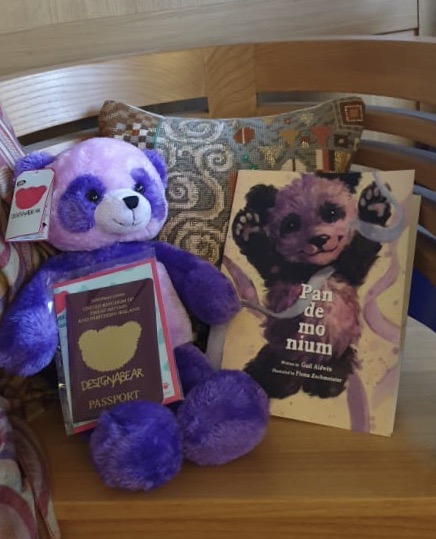
I’ve received brilliant feedback from parents and grandparents who are looking forward to sharing Pandemonium with the youngsters in their lives at Christmas. Some children have received early copies and I’ve been sent photos of them enjoying the book. Fortunately, everyone has agreed I can post these pictures on social media so here’s a gallery I’d like you to see.

Bear and Pandemonium purchased for two-year-old Leo
Happy prize winner from the ReviewSpot competition, ‘the illustrations are just amazing and so beautiful.’
This little girl loves Pandemonium and keeps repeating words from the story.
Read the rest of this entry »
3 Comments »

Blog tour, discount Christmas shopping and further adventures

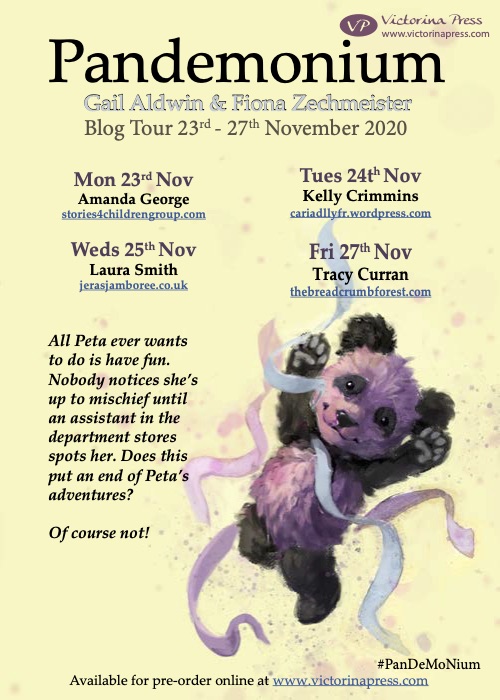
Where would a writer be without readers? Thank you to everyone who has shown interest in Pandemonium. This week starts a big push to help my children’s picture book reach a wider audience with support from book bloggers. Do watch out for posts on social media with links to further reviews.

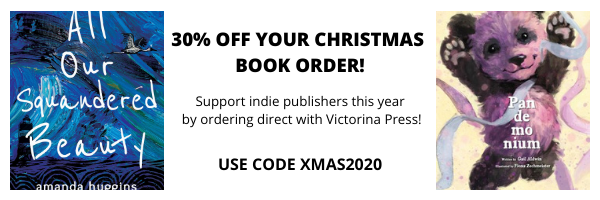
If you’re thinking of purchasing a copy of Pandemonium for a young child in your life, now’s the time to do it. There’s a 30% seasonal discount from all Victorina Press titles using the coupon code XMAS2020. Purchasing directly from the publisher is a good way to support this independent press in furthering their ambition to discover unheard voices and promote diversity in publishing. While visiting the Victorina Press bookshop for Christmas purchases, why not treat yourself, too? I can recommend you pre-order Amanda Huggins‘ wonderful novella All Our Squandered Beauty. It’s a captivating read.

I’ve had more fun taking Peta on further adventures in Pandemonium. See what she’s up to now:

In the café, Peta gets hungry …

Enjoy the last week of November and I’ll touch base again on publication day, 1 December 2020.

3 Comments »

Monday 16 November is Odd Socks Day!

Some of these campaigns really do make me cringe (think of #NationalDoughnutDay on 5 June) but not this one. #OddSocksDay is part of Anti-bullying Week 2020 which puts a spotlight on bullying and considers the steps that can be taken to prevent it. Every November, schools in the UK have a focus on bullying and by working with the wider school community, steps are put in place to protect vulnerable youngsters.

This year, #OddSocksDay on Monday 16 November launches a week of activites to raise awareness about bullying. This is intended to be a fun day where there’s no pressure to wear fashionable clothes or dress up. Everyone can wear odd socks, so it couldn’t be simpler. The idea is to encourage people to express themselves and everything that makes us unique.

Read the rest of this entry »
Leave a comment »

Adventures in #PanDeMoNium

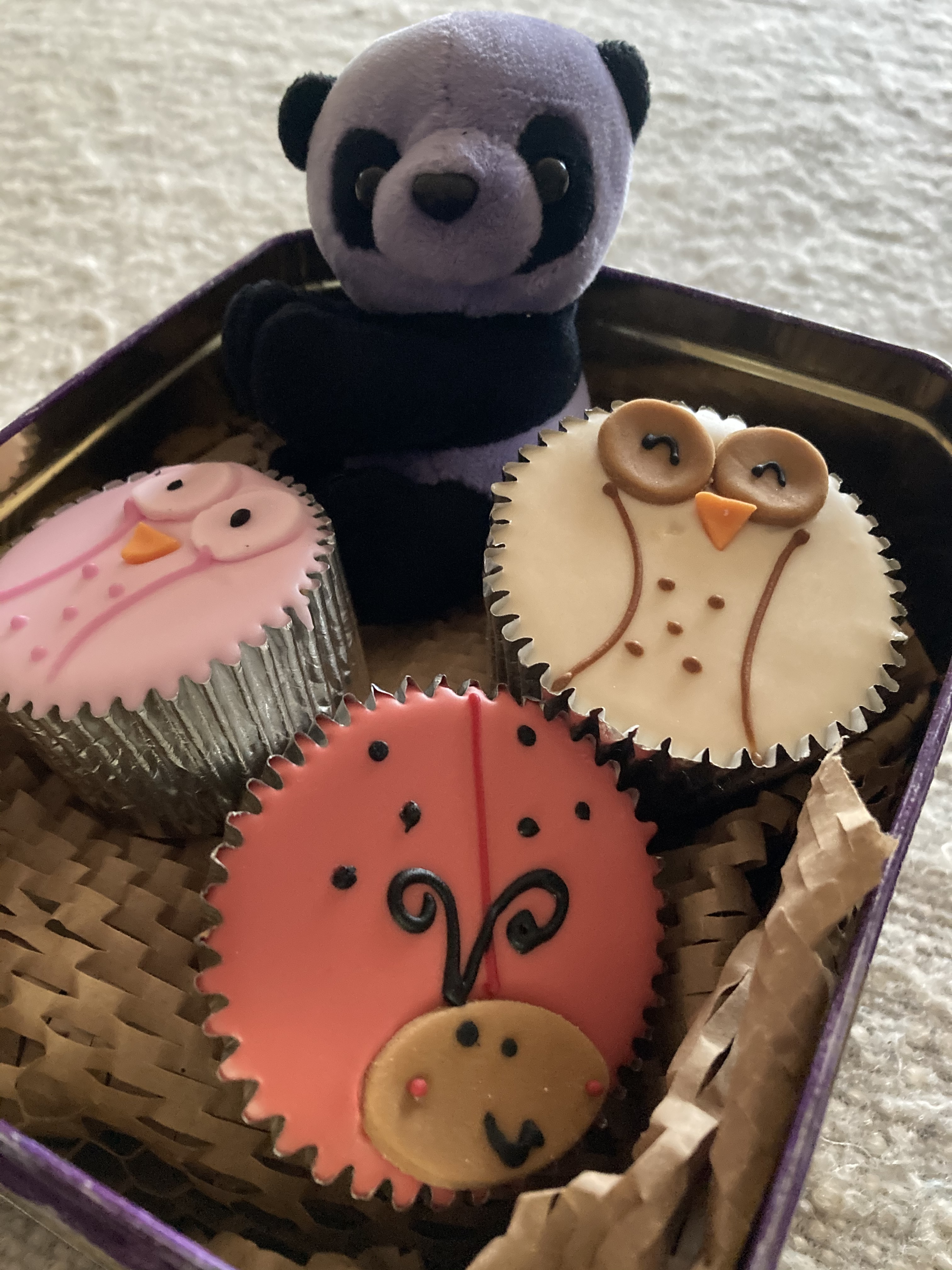
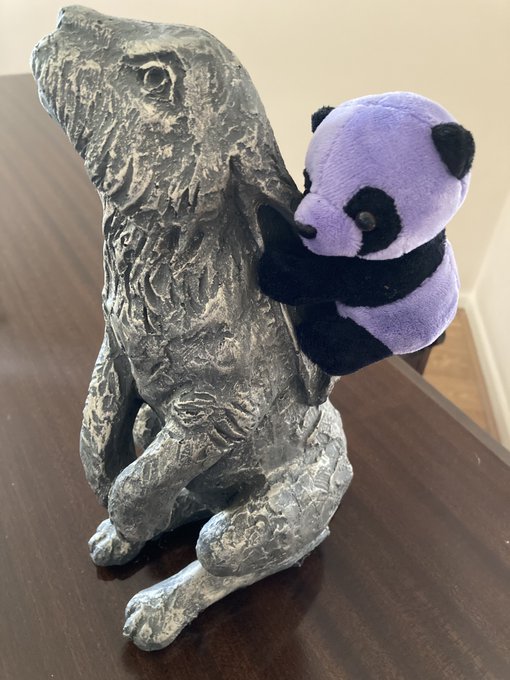
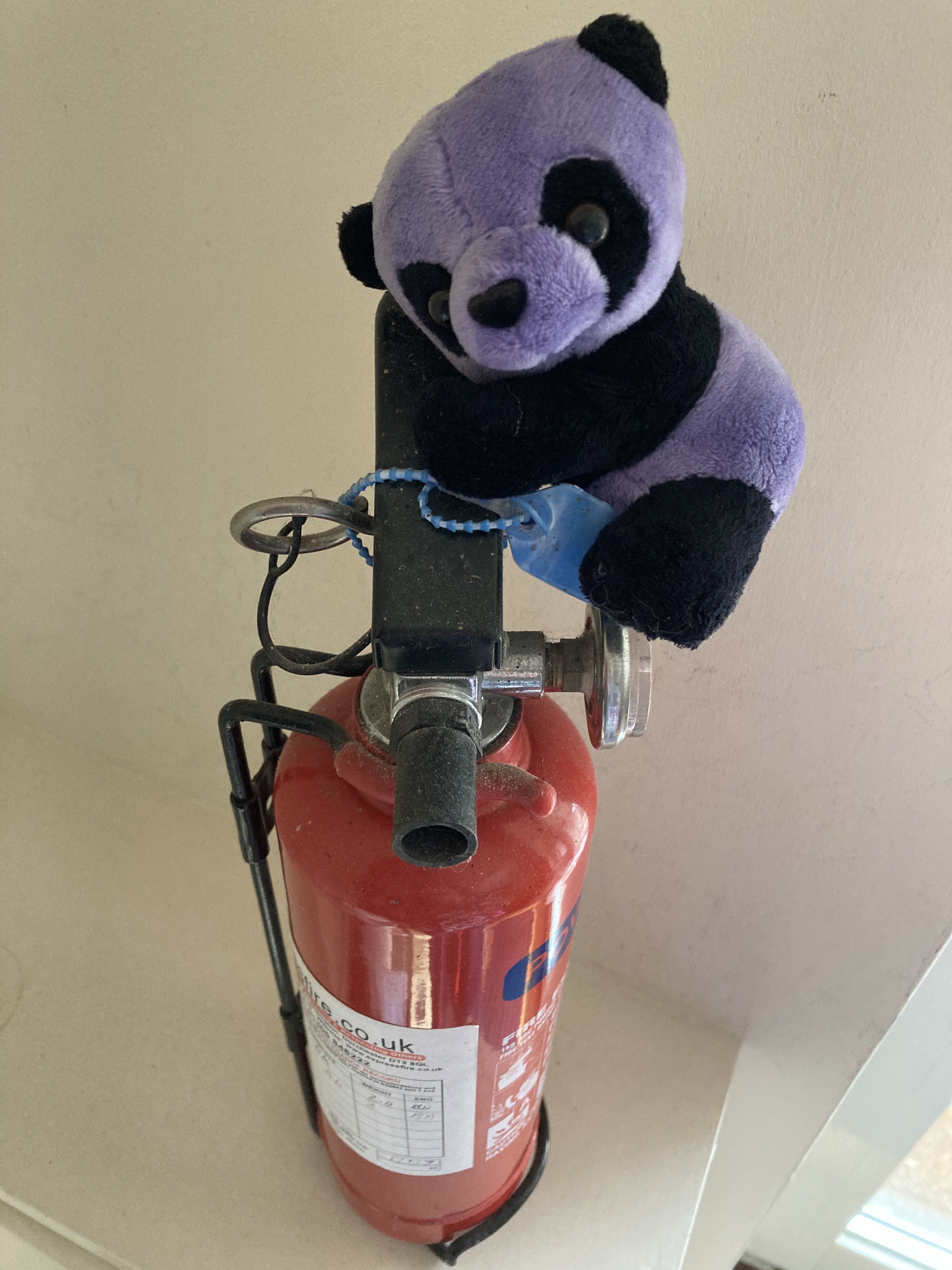
Since the start of November, I’ve posted photos on social media of a cheeky purple panda who’s out and about. This is to help promote my forthcoming children’s picture book Pandemonium. In case you don’t follow me on Twitter @gailaldwin, here’s what’s been happening this week.

Last hot chocolate for a month and clinging on for dear life.
Up to something or just hanging around?
What’s happening hare?
Read the rest of this entry »
2 Comments »

Art under the lockdown lens

In a determined effort to make the most of our freedom before lockdown, David and I visited the Russell-Cotes Gallery in Bournemouth on Saturday. Formerly the home of Merton and Annie Russell-Cotes, the building was completed in 1901 and is stuffed with paintings, sculptures and mementos from overseas travels enjoyed by the couple.

Photo: Ethan Doyle White

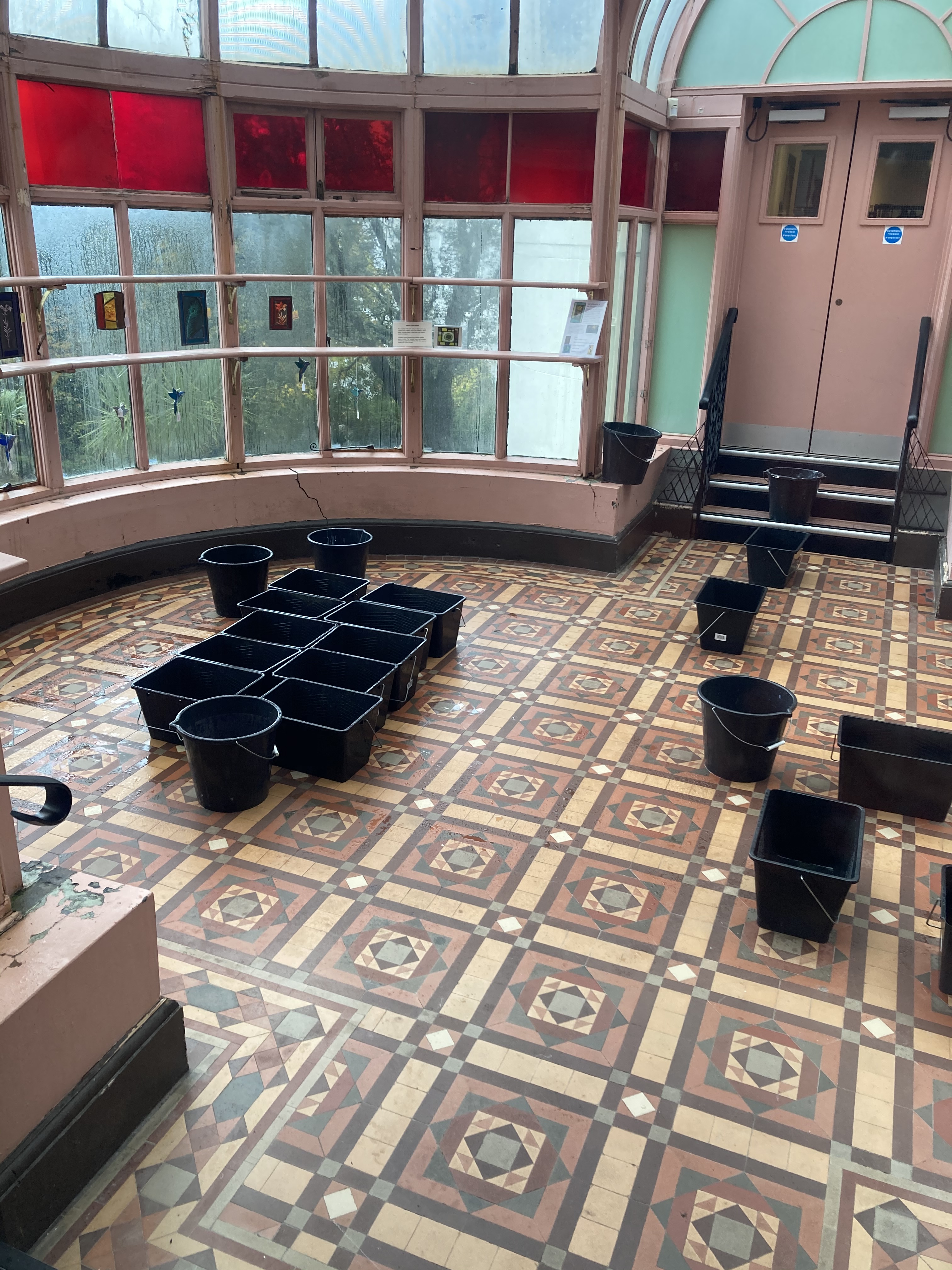
Unlike the photo above, it was pouring with rain when we visited, as evidenced by this photo of the leaking conservatory.

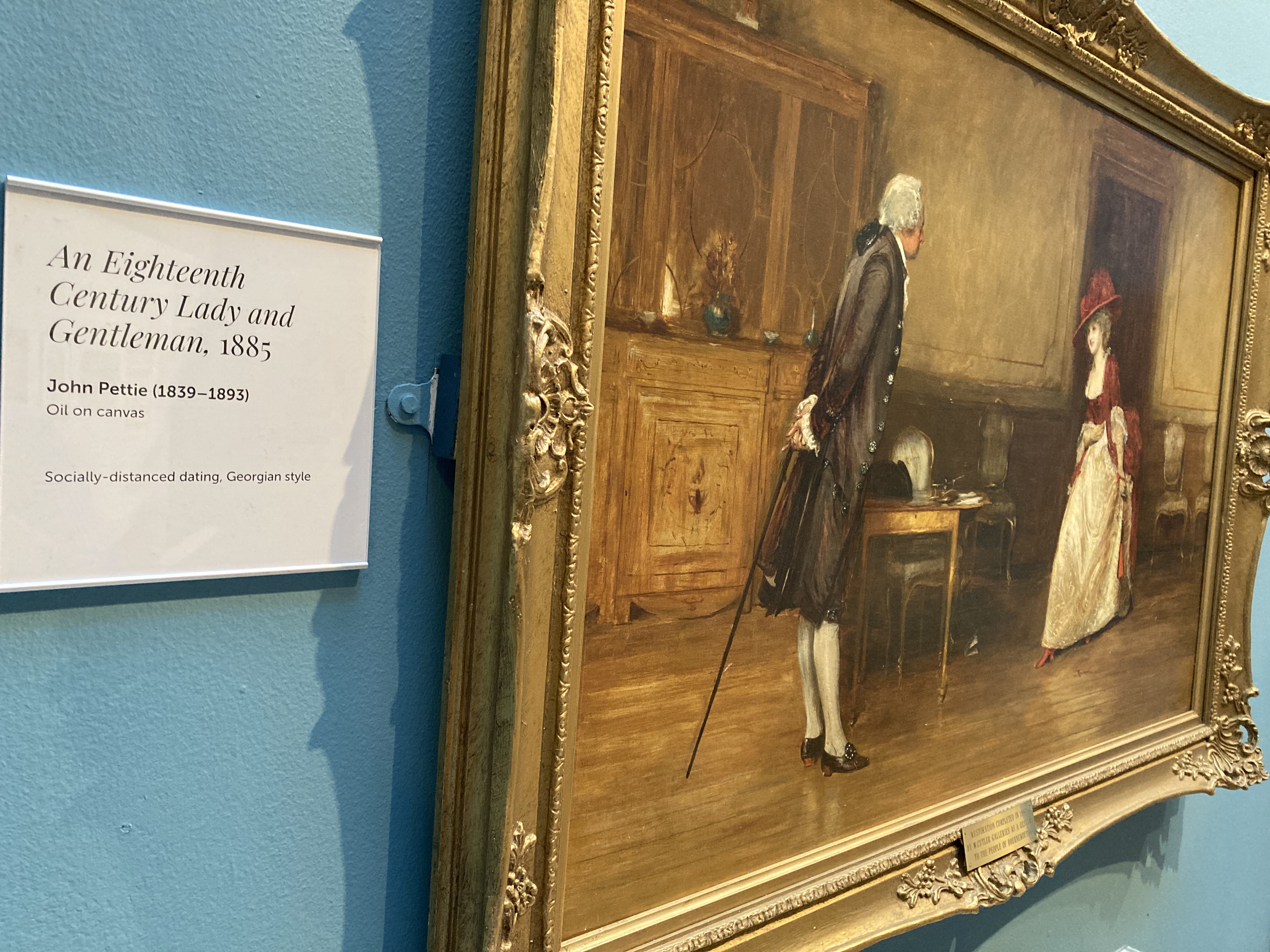
Fortunately, the rest of the house is dry! Until 18 April 2021, there is a special exhibition titled Hidden Highlights Life in Lockdown which comprises eighty of the galleries ‘lesser works’ taken out of storage to replace planned exhibitions which had to be rescheduled due to Coronavirus. The gallery invites visitors to reinterpreted the paintings on display through a lockdown lens. Some of the works include hilarious captions which had me laughing out loud. What do you think of these examples?

Shall we drive to Corfe Castle to test our eyesight?

The hand washing and hand sanitising inspection was very thorough
Socially-distanced dating Georgian style

The exhibition has inspired me to run a social media campaign to promote Pandemonium along the same lines. Here’s the first example:

Ghost Buster! Corona Buster!

Stay safe and well.

1 Comment »

Unusual connection

I received a direct message on Twitter this week from Rob Casey, a stand up poet, writer and performer who lives in Bridport. He teaches creative writing at Exeter College and is the Bard of Exeter City Football Club. While he was watching the first match of the season for Manchester City (against Wolverhampton Wanderers, Man City won 3-1), he noticed something about the kit that was relevant to me.

Training kit
Away kit

What do you notice? Love a bit of paisley, I do. Indeed I think the tear drop pattern is so great I named my first published book Paisley Shirt. It is a collection of short fiction and the title story is about a Polish man returning to visit a neighbour in the UK who helped to look after him as a child. With twenty-six other stories in this smart, square book there’s a lot of fiction to enjoy. Novelist and short story writer, Maria Donovan kindly endorsed the collection and says the stories are ‘sensitive, surprising, unnerving, tender and crucial.’ It’s easy to get a kindle copy or a paperback by popping over to Amazon. And, if you’re interested, you can read more about the history of the paisley pattern here.

Read the rest of this entry »
1 Comment »