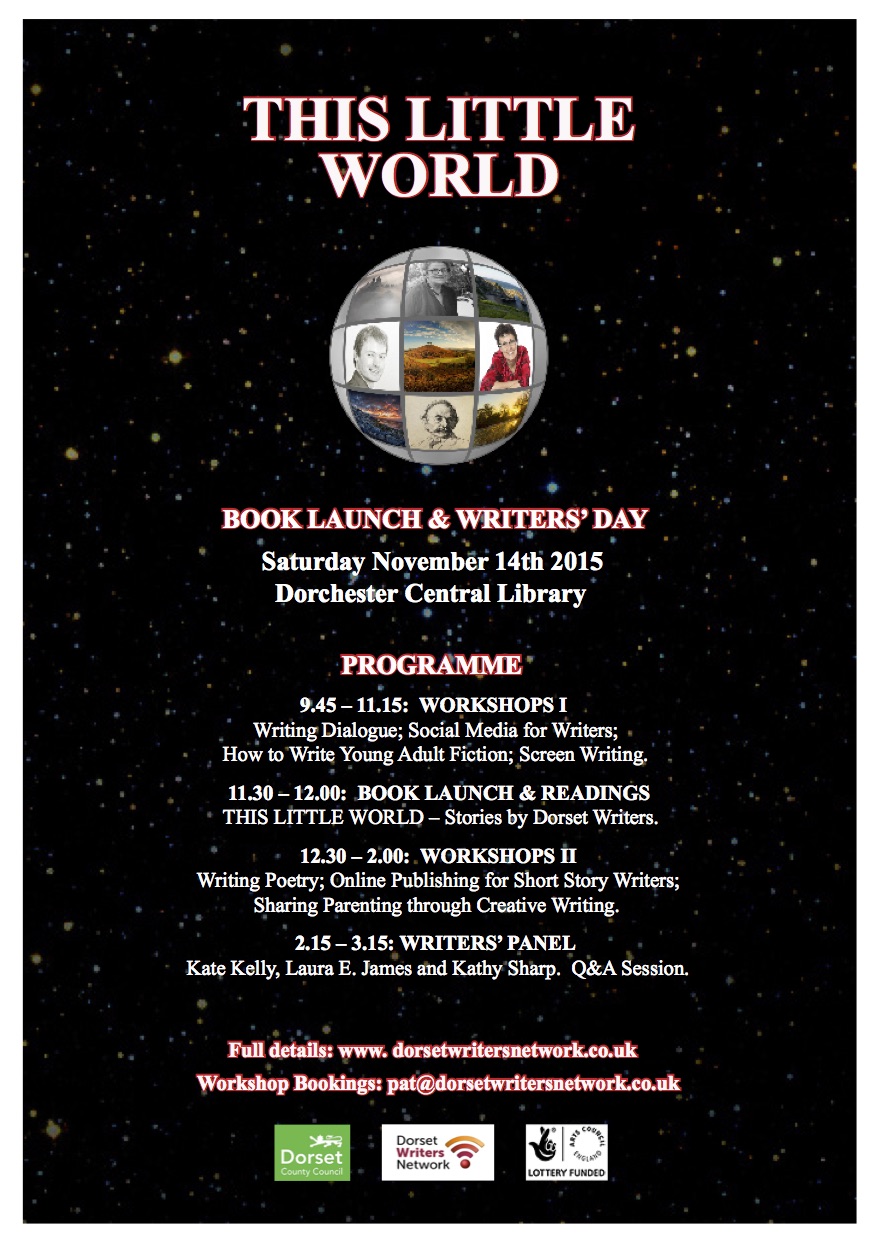
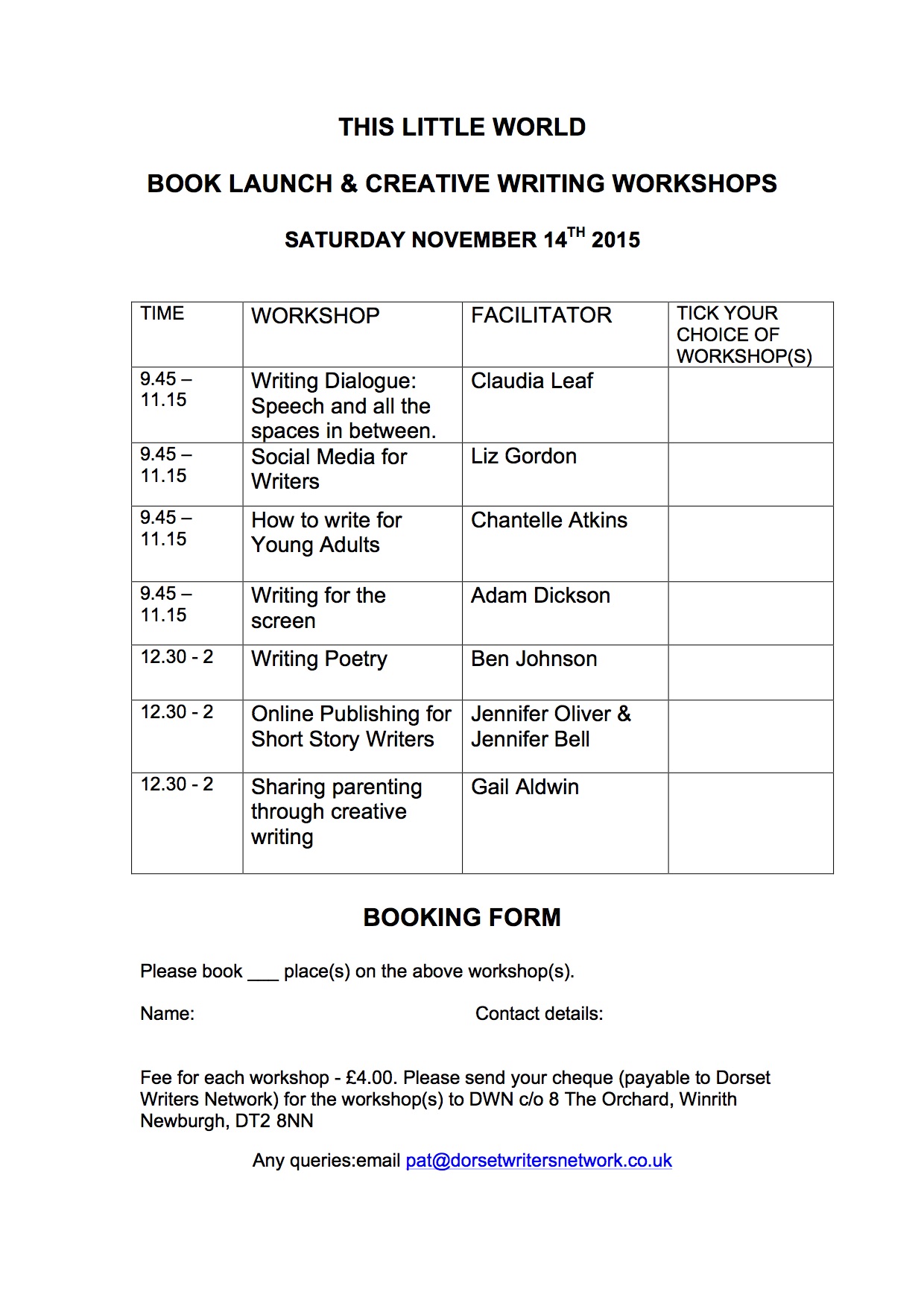
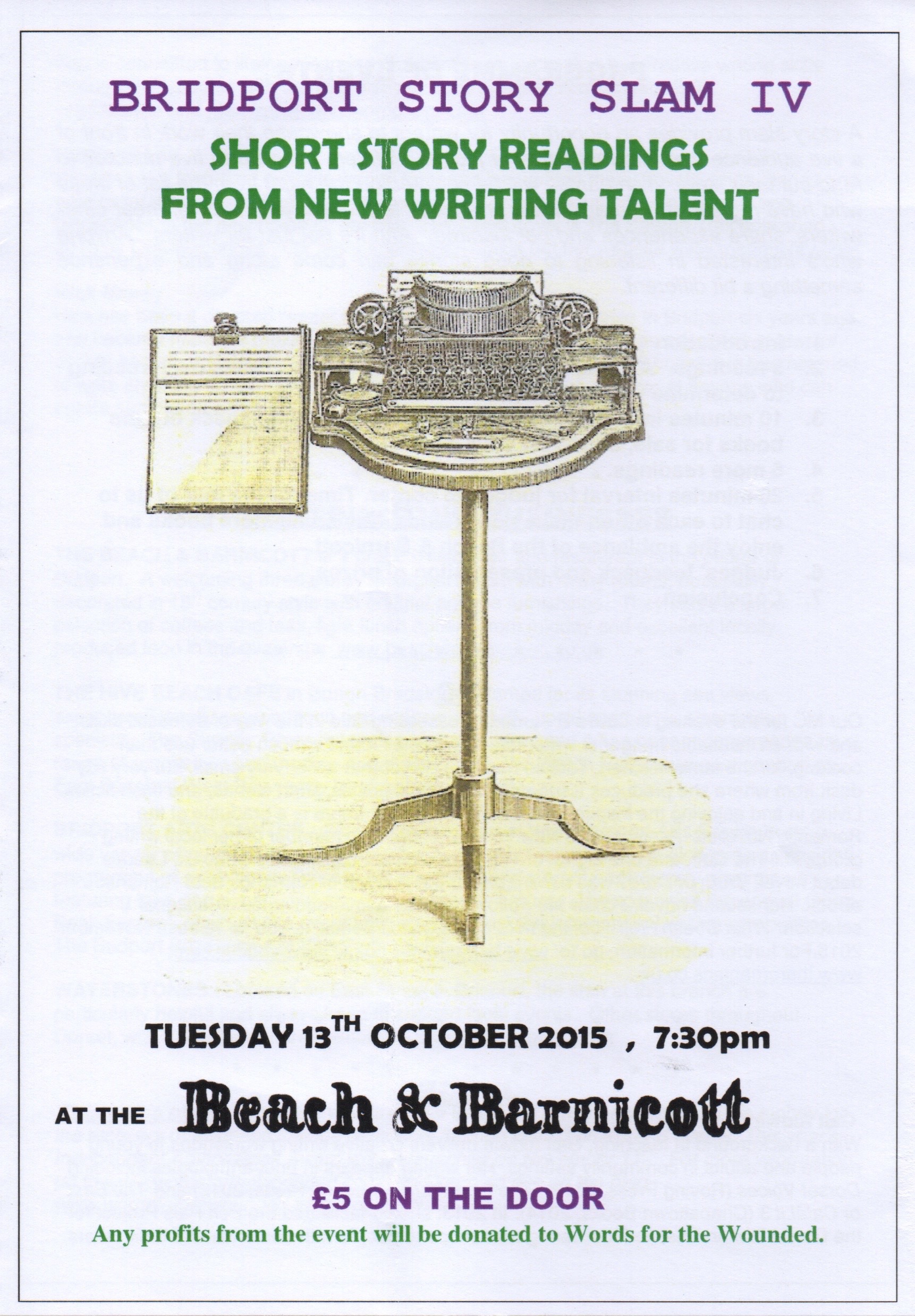
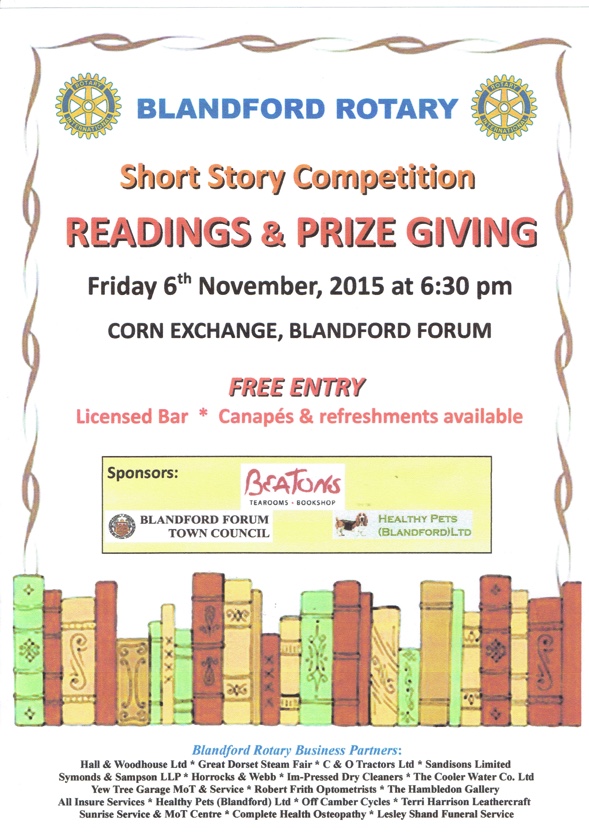
Please find details of a writers’ day in Dorchester with flyer and booking form below:
Fabric at the British Library
This is a piece of fabric I bought while on holiday in Banjul, capital of the Gambia. We spent a day in the city in order to visit the Methodist Church where a new generator had been purchased by the congregation in New Malden. The cloth celebrates the Methodist Church in the Gambia and I became fascinated by the Gambian tradition of wearing fabric to acknowledge and promote many different things. I remember seeing a woman in Albert Market wearing traditional dress with a matching head wrap in bright, printed fabric. When I asked if the cloth was for sale, I was told it was worn in support of a political party. While logos and designer brands have become part of popular culture in this country, it seems that wearing anything to indicate allegiance to a political party is limited to a badge or rosette.
I was prompted to make this post after visiting the West Africa: Word, Symbol, Song exhibition at the British Library. There you will find a whole range of artefacts that demonstrate the interlinking nature of word, symbol and song including texts, drums, shell-stories and, of course, fabric. It’s well worth a visit.
Dorchester Literary Festival
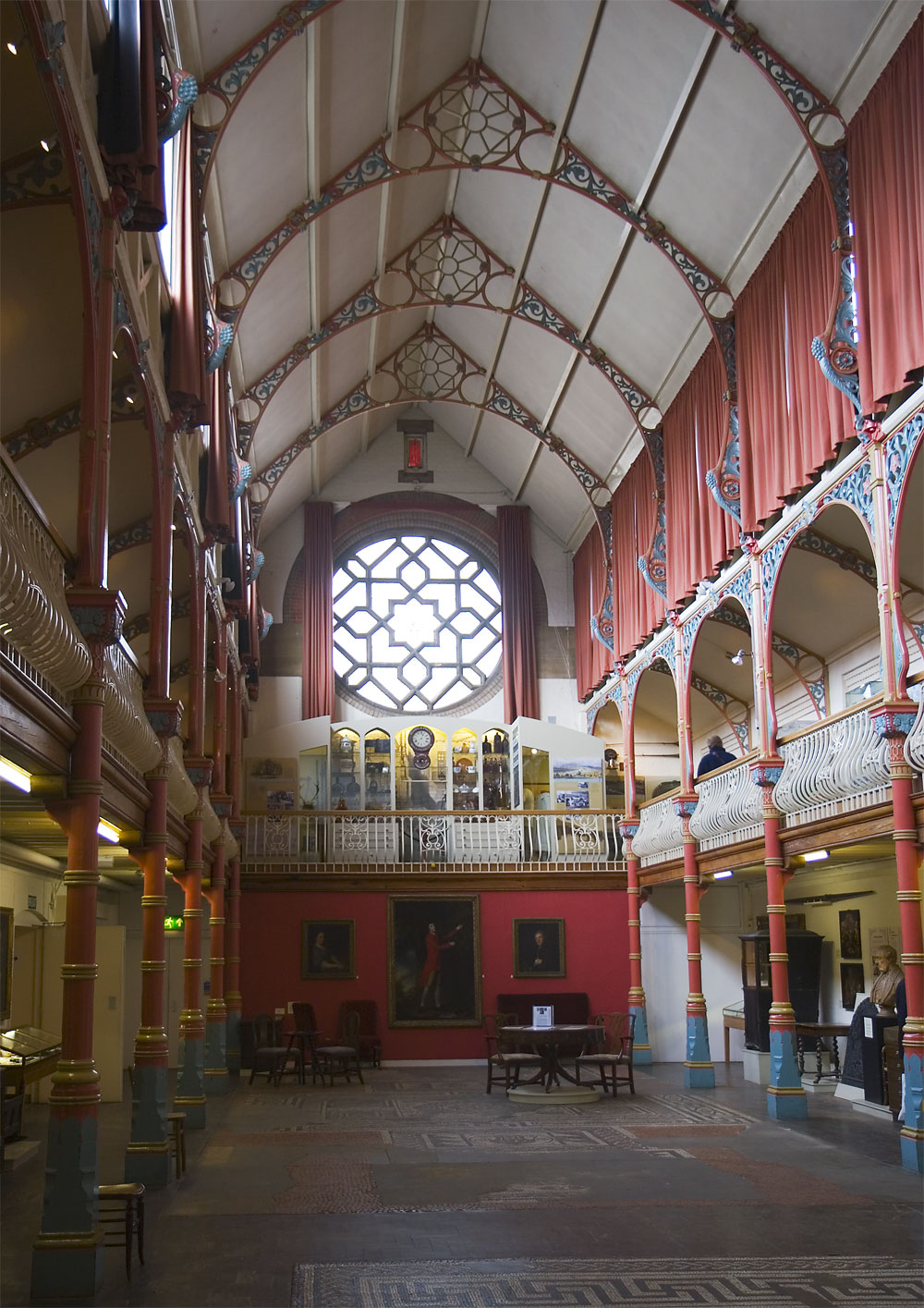
The first Dorchester Literary Festival runs from 23-25 October 2015 with events at Duke’s Auctioneers and the delightful Victorian Gallery in the Dorset County Museum. I’m a volunteer steward at Desert Island Books with Tracy Chevalier and I’m planning attend the session delivered by Dom Joly on Friday. You’ll also find me helping at the Young Peoples’ Story Slam on Saturday held at Dorchester Library.
If you’re able to attend any of these events, I look forward to seeing you.
Human Rights Tour 2015
The British Institute of Human Rights came to Dorchester today as part of 15 Days of Action to celebrate the Human Rights Act which came into force in 2000. The aim of the workshops is to empower people to:
- know about human rights
- use human rights in practice
- protect human rights
What are human rights?
Human rights were legally defined after WWII in the Universal Declaration of Human Rights 1948. It is a set of minimum standards regarding how the state treats people. Human rights cannot be taken away but in some instances, limited or restricted.
Why does the Human Rights Act matter?
- it offers protection to everyone
- it ensures the government is accountable
- the legal duties on public authorities ensure that human rights are respected in their decisions and actions
- it helps the UK show leadership when human rights violations are taking place across the world
For more information see the website: bihr.org.uk
Young Writers’ Story Slam, Dorchester
As part of the first Dorchester Literary Festival, the Dorset Writers’ Network are hosting a Young Writers’ Story Slam at Dorchester Library on Saturday 24 October, 2pm. Writers from 11-16 years are invited to enter the story slam by reading a story of up to 500 words. Please email pat@dorsetwritersnetwork.co.uk to register and turn up on the day. Names will be drawn from a hat and, when everyone has read, the three judges will withdraw to decide on the winners. Every reader will get the judges’ feedback on their story. The winner will become Young Story Slam Winner 2015. (Parental consent is required.)
#fridayflash – Saxophone Player
Flash fiction story in 191 words
Saxophone player
Performing on the bridge behind Notre Dame, the singer wears a flat cap while his friend plays the saxophone. I linger beside the companion I met while sharing a table for lunch. She’s alone in Paris, without any family to consider. Mine are at home, seething at the way I’m spending my pension on travelling the world. The musicians finish their song and I join the applause. The sun pierces the filigree clouds and a breeze makes me hug my elbows. I wonder whether the singers pay a fee to perform on the bitumen. Displayed on an open suitcase are CDs for sale and the saxophone player beckons me over to take a closer look. While I examine the cardboard envelopes, the singer calls to the audience, asking them to make a request for the next song. I select a CD, search in my wallet for a note and hand it to the saxophone player.
‘Do you know, “I’ve got a crush on you”?’ I ask.
‘Really?’ He blinks. His green eyes should belong to a cat.
‘No,’ I accept the change he places in my hand. ‘I mean the song.’