the writer is a lonely hunter

writing by Gail Aldwin and other authors

Heading for Edinburgh, a holiday hit

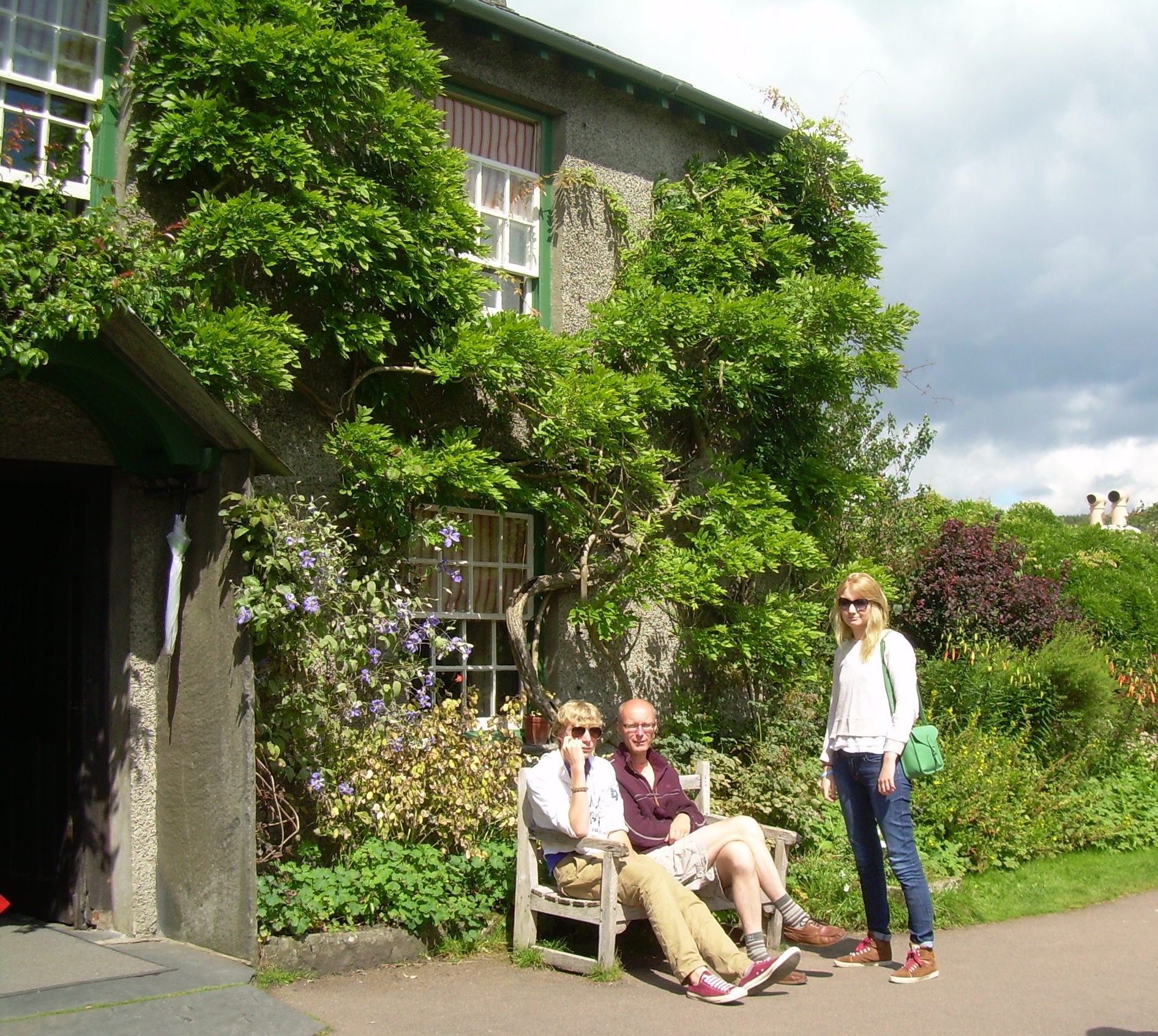
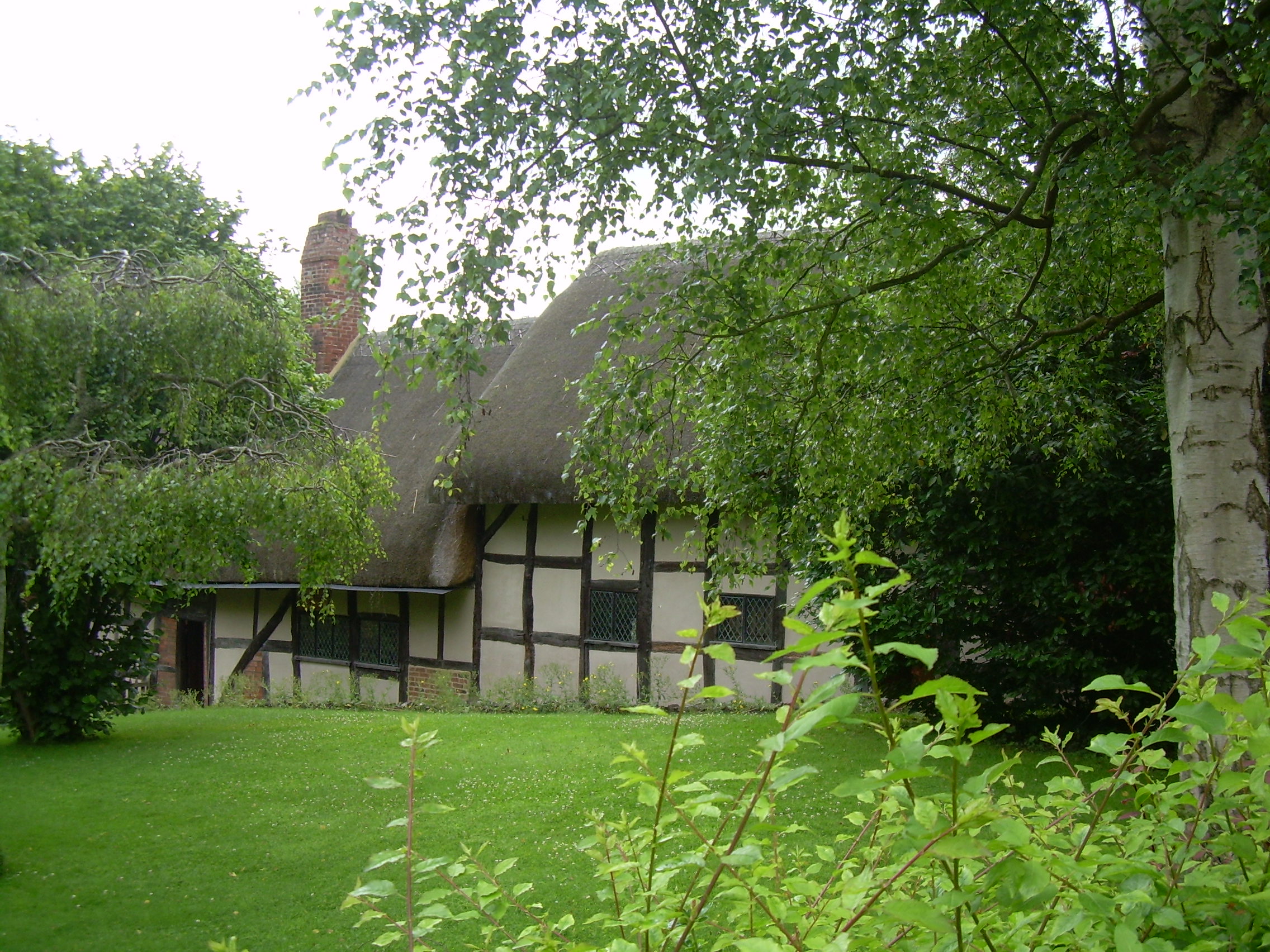
Ann Hathaway’s Cottage, Stratford

The destination for our family holiday was Edinburgh. We stopped in Stratford-upon-Avon so that we could use the hotel reservation and theatre tickets cancelled earlier in the year due to exam revision pressure. (I’m pleased to say that my daughter got two As and a B in her A levels and will be going to study history and American studies at Nottingham University). We saw Troilus and Cressida at the Swan which I enjoyed but my husband thought it pretentious and my son wanted to slit his throat rather than go back in after the interval. The interpretation was baffling with the Trojans represented as North American Indians and the Greeks as desert soldiers and there was a transvestite for the fool. In addition, there were TV screens around the stage showing footage of Inuit cultural traditions interspersed with Hollywood movies. Now that was a little confusing, particularly when the actors watched the screens and replicated the actions. Overall the family gave it the thumbs down, as did The Guardian, and  you can read review here.

Beatrix Potter’s Cottage

We stopped for a few days in Cumbria with our friends the Huggetts and managed to visit the lakes, Beatrix Potter’s home and spent a day at the seaside. The weather was wonderful and the company great. Our first night in Scotland was in Glasgow and we had breakfast in the Willow Tea Rooms which boasts an interior designed by Charles Rennie Mackintosh and serves a splendid Scottish breakfast. Following a visit to the Kelvingrove Art Gallery and Museum (there’s a fascinating and brave section on Glasgow life) we drove to Edinburgh where we stayed in a Stockbridge flat for the rest of our holiday.  Read the rest of this entry »

7 Comments »

Buying books at the seaside, a trip to Avon Beach Shop

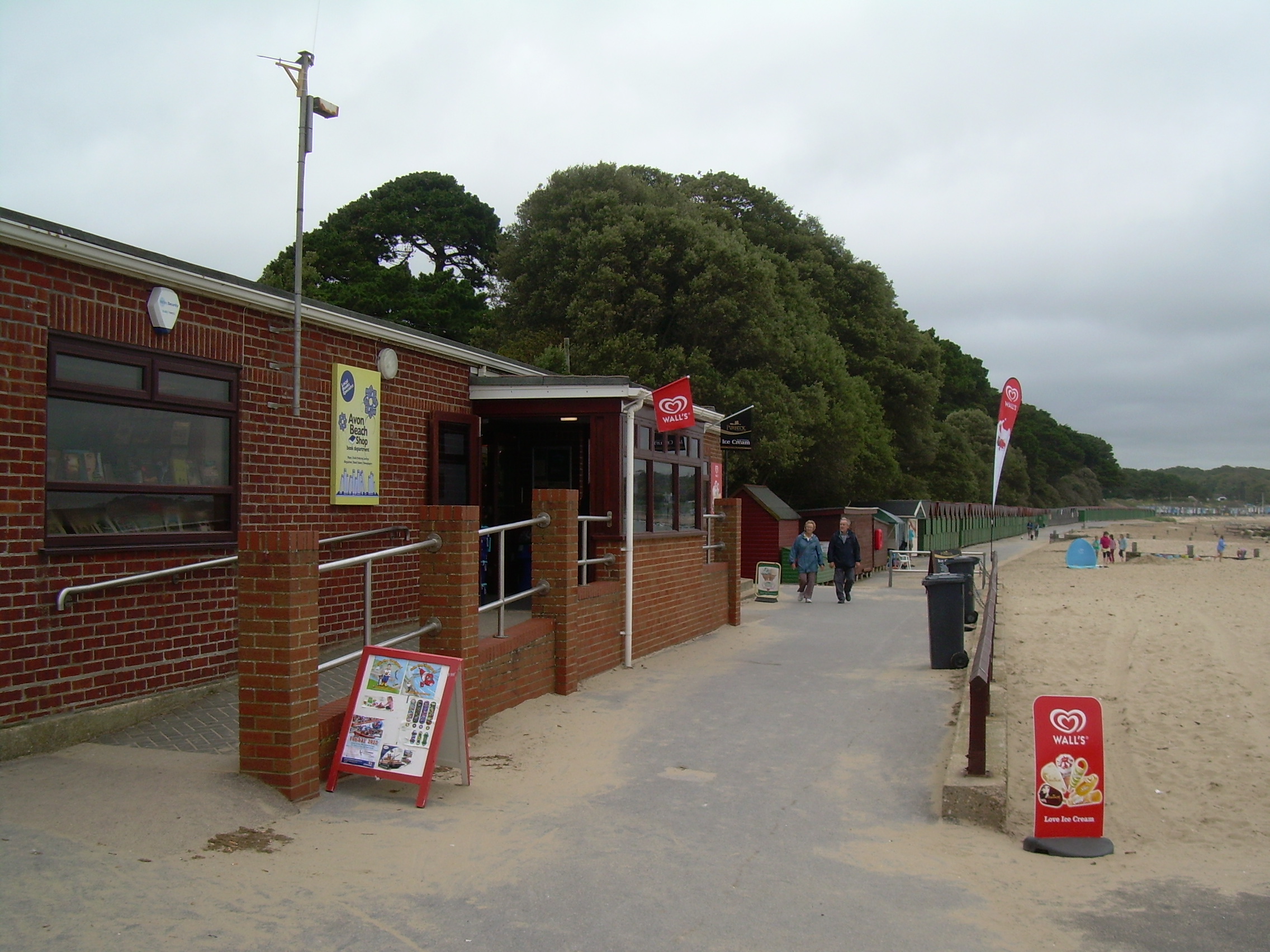
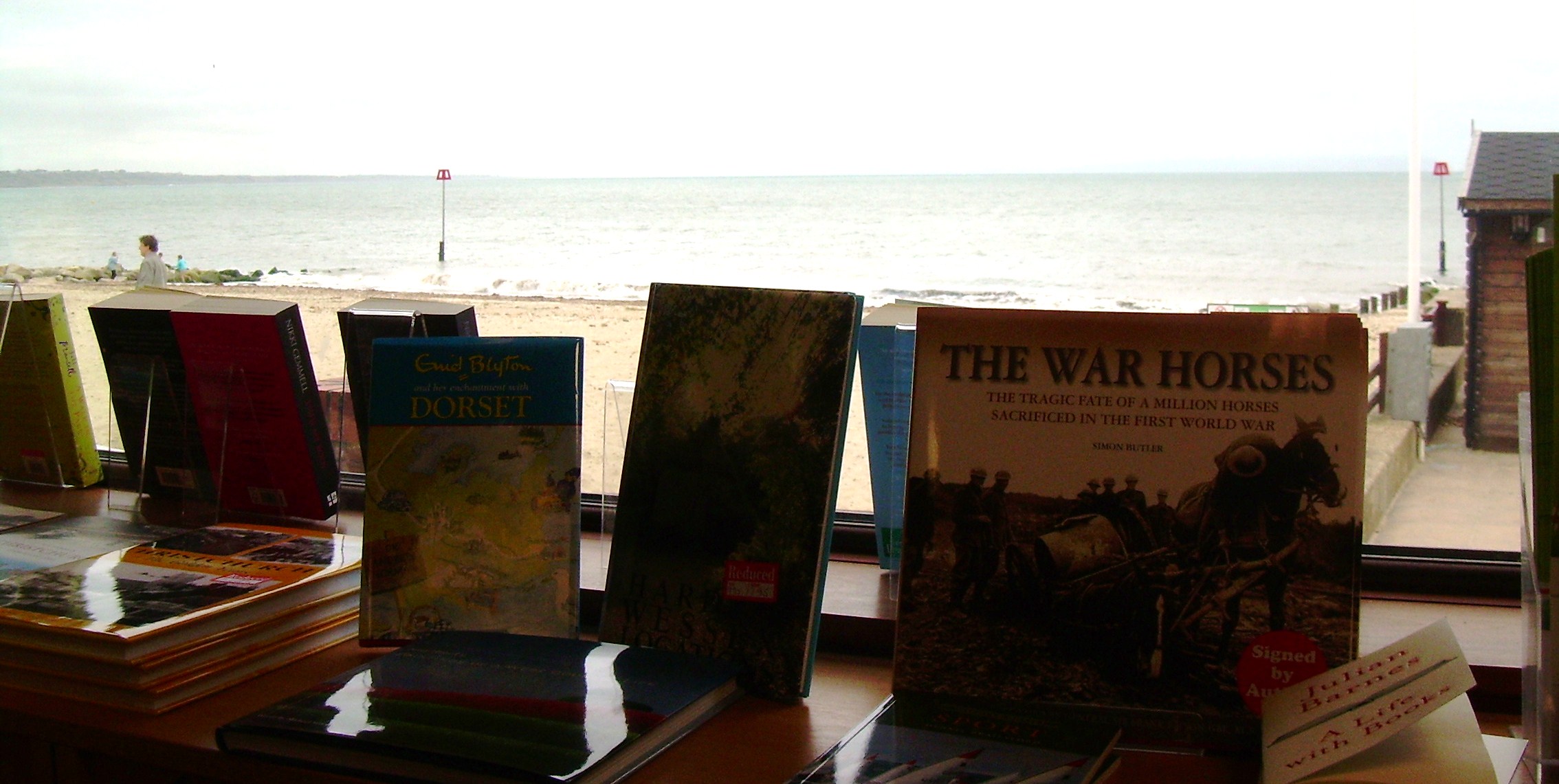
Situated next to a sandy strip of Dorset beach, the Avon Beach Shop provides all the necessities for holiday makers and day trippers. There’s a ramp that makes disabled access possible and easy entry for families with buggies.  The shop is divided into areas where a range merchandise is displayed.  There’s a section for leisure wear and swimming costumes, a central counter with the till that acts as a newsagent with papers, sweets, ice creams and drinks for sale. Opposite, there’s a selection of gifts and to the right of the entrance you’ll find body-boards, buckets and spades and the like.  Tucked away in a corner is the book department that provides a range of fiction, crime novels and local interest books.  There are few book displays that have such a marvellous backdrop through the window of the shop.

Read the rest of this entry »

8 Comments »

A visit to Imagine Books, Weymouth

Just 50 yards from the sea front at Weymouth, and a pleasant walk along St Alban Street, (affectionately known to locals as Flag Street) you’ll find Imagine Books at number 23.

Displayed outside the shop with its distinctive black and gold signage are children’s books, postcards, sun hats, beach bags and wind chimes. This provides an idea of the merchandise to be found within.

Read the rest of this entry »

6 Comments »

Writing Britain (and more about notebooks)

The British Library’s current exhibition Writing Britain illustrates the changing landscape of the country over the last 1000 years with reference to items from the collection and loans from elsewhere. The exhibition includes artwork, original manuscripts and texts that explore a range of locations grouped according to the following sections:

  • Rural dreams
  • Dark Satanic Mills
  • Wild Places
  • Beyond the City
  • Cockney Visions
  • Waterlands

Interestingly, writing about Dorset features in several of the sections, including Maiden Castle by John Cowper Powys which tells the story of a supernatural presence at the iron-age hill fort near Dorchester. Jane Austen’s Persuasion is set in Bath and Lyme Regis, where Louisa Musgrave falls from the harbour wall (known as The Cobb) in an attempt to gain male attention. Harold Pinter’s script for The French Leiutenant’s Woman, based upon the novel by John Fowles is also set in Lyme Regis. A little further along the Dorset coast, Chesil Beach features as the location for Ian McEwan’s novel of the same name, where Edward and Florence spend their wedding night at a fictitional hotel on the beach.

Read the rest of this entry »

4 Comments »

Launch of Dorset Voices

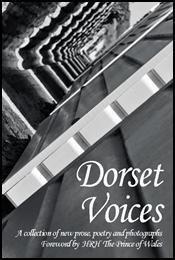
Dorset Voices is a wonderful showcase of literary talent and new photography in Dorset.  The editorial team (Jim Potts OBE, Maria Strani-Potts and Louisa Adjoa Parker) selected prose, poetry and photography submissions from across the county and with local publisher Roving Press, this makes the anthology and all-Dorset production. 

The launch of Dorset Voices will take place on 23 April as part of Bournemouth Festival of Words. Please come to Bournemouth Library, 22 The Triangle, BH2 5RQ from 6-8pm to meet the editors and publisher and purchase copies of the book.  I’ve offered to read ‘Dusting off the Memories’ my piece of flash fiction from the anthology and there will be other contributors sharing their work.  The event falls on World Book Night and the library will be busy with a number of events including a live theatre performance of scenes from ‘Midsummer Night’s Dream’. I think it will be a great occasion and I hope to see some of you there.

4 Comments »

And I always thought writing was hard work…

On one the most beautiful days of this year, I was in Waterstones, Dorchester selling copies of The Rosemary Project. The anthology comprises poetry and prose by writers from across Dorset and all money raised goes towards  Alzheimer’s Research and Mindful (which supports a memory cafe in North Dorset). Although The Rosemary Project was the branch best-seller for the day, I only managed to sell eleven copies. Read the rest of this entry »

13 Comments »

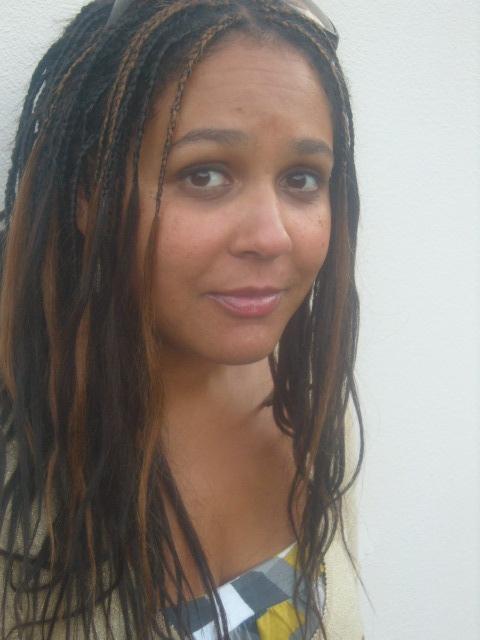
Interview with Louisa Adjoa Parker

Louisa is a writer, poet and Arts Project Co-ordinator who has lived in the West Country since she was 13. Her first poetry collection, Salt-sweat and Tears was published by Cinnamon Press to critical acclaim in 2007. She has also written a book and exhibition about the history of African and Caribbean people in Dorset over the past 400 years, both entitled Dorset’s Hidden Histories. Louisa has recently worked on a project using images and stories to celebrate multi-ethnic Dorset. Funded by Arts Council England and Dorset County Council, the exhibition and book is called All Different, All Dorset was launched in September 2011. Louisa is passionate about equality and the Arts, and hopes to inspire people from a range of backgrounds to become interested in writing.  

Let’s start with your writing journey

I wrote a few adventure stories when I was about six, which my mum said were like Enid Blyton books and I still have a poem written at that time. When I was a teenager I kept a diary for three years and wrote about everything that happened to me. As an adult, I turned to letter writing to try to sort out problems with relationships. In 2002, I went to Exeter University to complete the degree I’d started with the Open University, and I began writing poetry alongside the essays and coursework. I was encouraged by Selima Hill and I had a poem published in a magazine. Getting published was exciting and encouraged me to write more. I realised I had a lot to say about being dual heritage and growing up in white communities. My Dad is Ghanaian and came to England in the late 60s for education and he met and married my mum and had three children with her. We lived in Yorkshire, Cambridgeshire, and then when my Dad left we moved to Devon. Growing up knowing only the white side of my family was weird. No one wanted to talk about my background. Writing helped me to explore unresolved issues around my identity. It helped me come to terms with some of the things that had happened, racism and domestic violence.

What inspires you to write now?

Lots of different things, but I usually write about emotional and difficult subject matter, like relationships and parenting. When I’m writing poetry ideas come to me. For example, I read a newspaper article about a young girl who left her dead baby in a railway station bin and I wrote a poem about it that was shortlisted for the Bridport Prize in 2010.

How does writing prose compare to writing poetry?

I research and write non-fiction books relating to Black History but I always look for the story in whatever I write. I’ve started my first novel which came from a seed of an idea but I find novel writing more challenging than poetry because of the length and the need to navigate the story in my head. Activating the imagination in a novel is a different process to describing an event through poetry. Poetry leaps into my mind through an idea or image, but the novel takes more working at.

What do you think about writing competitions?

I entered the Cinnamon Press Poetry Competition in 2005 and was long listed. The following year I entered again and had my collection of poetry Salt-sweat and Tears published as the prize. Now, I enter competitions occasionally, but it’s usually dependent on having the time and energy to submit and the money to pay the submission fee. It’s unfortunate that the cost of entry excludes some people. I entered the Mslexia First Novel Competition in 2011 and was longlisted for my novel, The Red Behind Her Eyes. The story is about a teenager who hits back against her stepfather who inflicts violence on the family.

I think it’s worth entering competitions but don’t get too hung up about it. It’s easy to imagine you’ve got a good chance of winning and being discovered, only to be disappointed. I’d encourage people to enter, because it’s good to take part, but have realistic expectations.   

Which authors and poets have most influenced you?

With poetry I was influenced in the early days by Selima Hill. With novels, I’ve read thousands and can’t remember offhand the many writers I love! At the moment I’m working my way through Emma Donoghue’s books. I like crime novels such as those by Ruth Rendell which, although aren’t great works of literature, tell a good story. I am often drawn to the darker side of life through fiction. I like writing that’s authentic, that doesn’t have to use big words to say what needs to be said. Literature doesn’t need big words – I think this excludes some readers. I do relate to black/dual heritage writers as I can understand their experiences. I love Jackie Kay’s work, fiction and poetry. Other poets I admire include John Siddique, Moniza Alvi, Linton Kwesi Johnson, Helen Dunmore, Catherine Smith, Julia Copus and many many more. I am quite fussy about both poetry and prose, and it has to somehow grab me, draw me in and really say something to me or I can’t be bothered to read it.

What tips do you have for new writers?

Keep writing, even if you think it’s rubbish. Share your work with other writers, in person or on-line. Sometimes I get family members to read my work but it’s better to get people who write to comment on your work. Read widely – you’ll get inspired by different writing styles and stories. If you read, you’ll find out what’s being published, what’s topical and how your writing compares. Keep writing because the process is important – you’ll develop skills by practising.  

Thank you, Louisa
2 Comments »

Looking ahead…

Didn’t get a Kindle for Christmas?  Don’t worry here’s the Kindle for PC free download

For some playful writing ideas, please see Robert McCrum’s Fifty things I’ve learnt about literary life.

For a literary TV treat, don’t forget to watch Great Expectations on BBC1 at 9pm on 27,28 and 29 December. 

My blog during 2012, will include:

  • an interview with Louisa Adjoa Parker as she moves from published poetry into writing her first novel
  • a focus on contemporary writers taking inspiration from living in Dorset
  • Thomas Hardy in Dorchester

What are your writerly resolutions for 2012?

Leave a comment »