the writer is a lonely hunter

writing by Gail Aldwin and other authors

Greetings from Vietnam

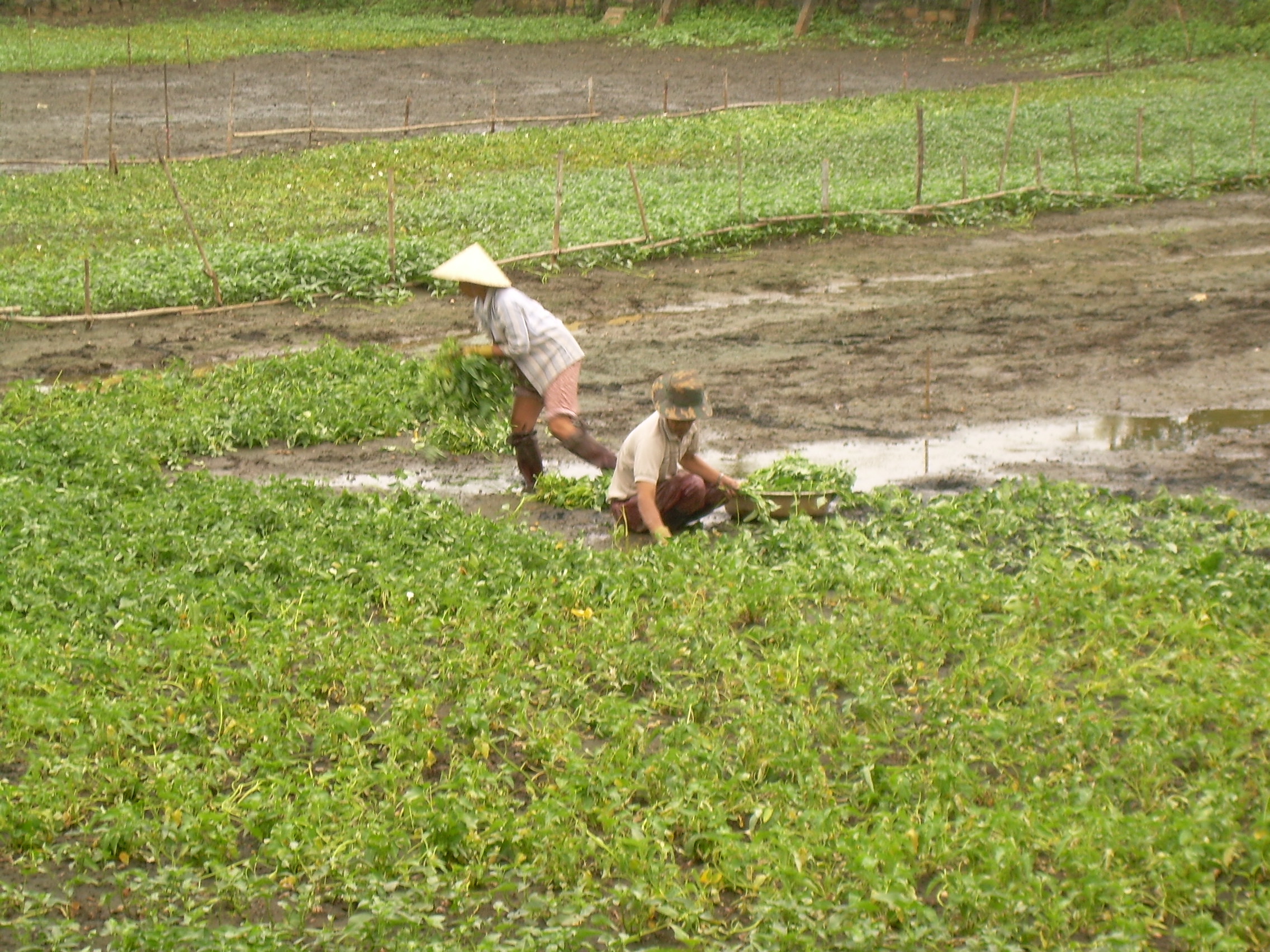
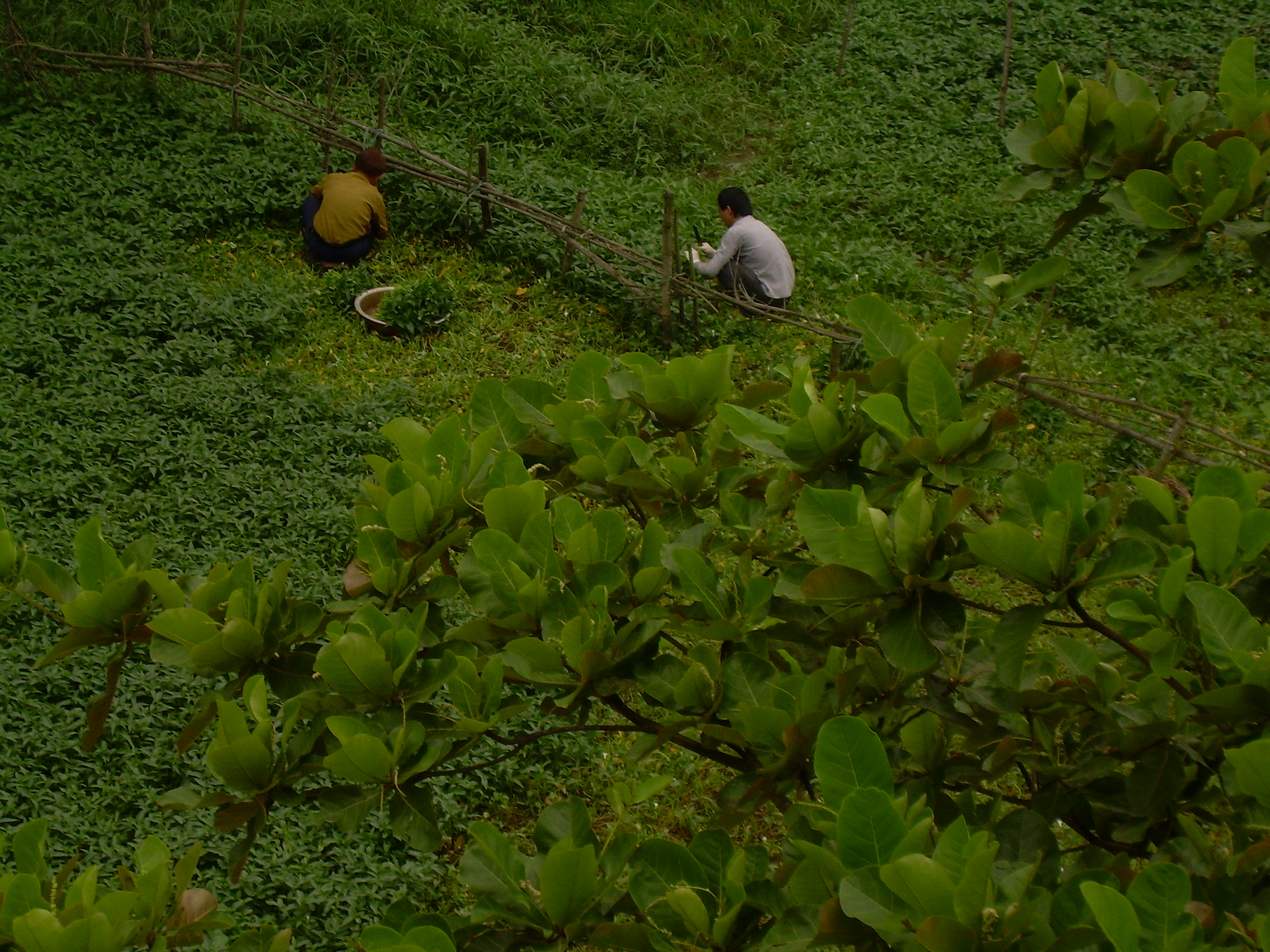
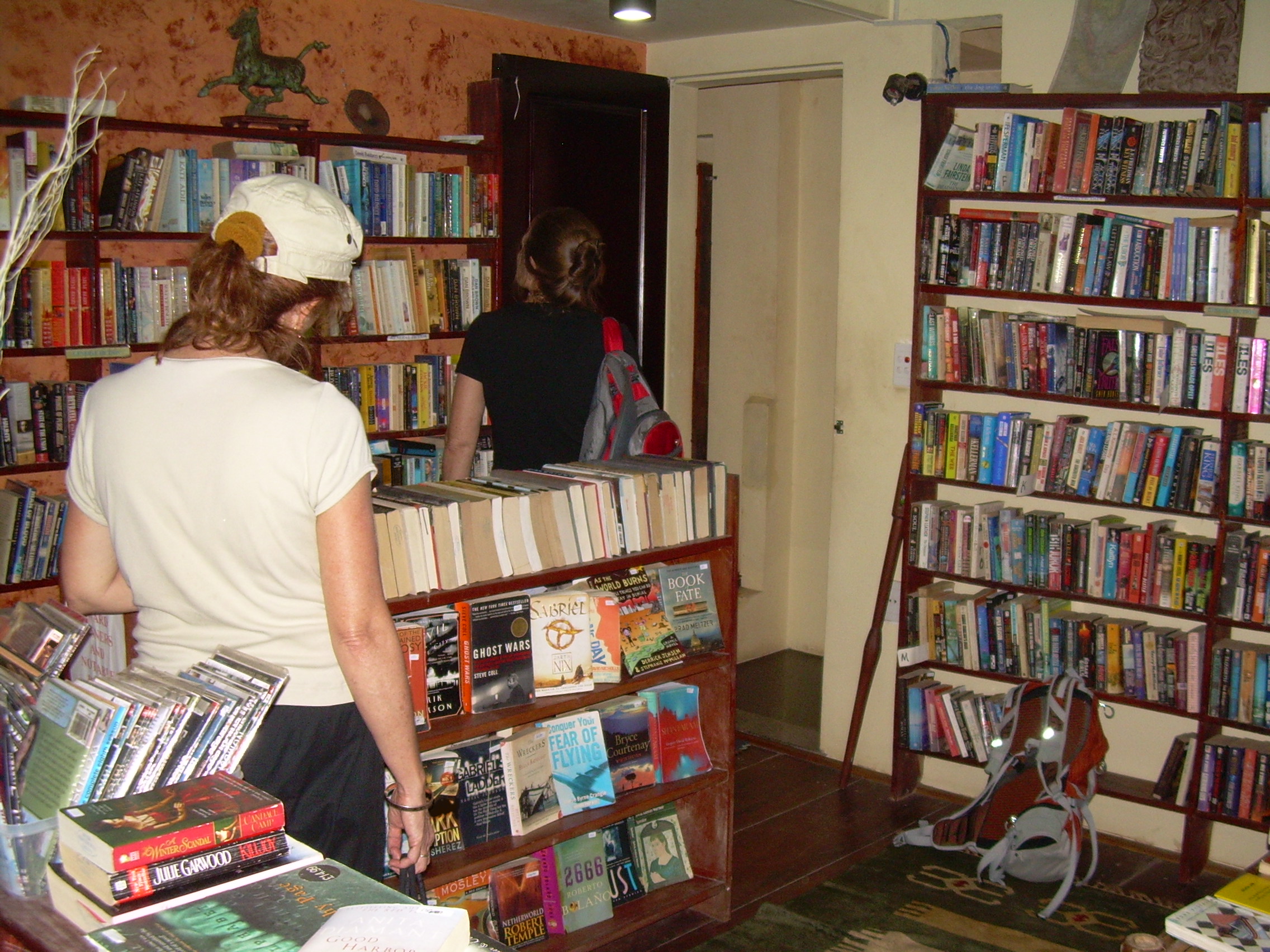
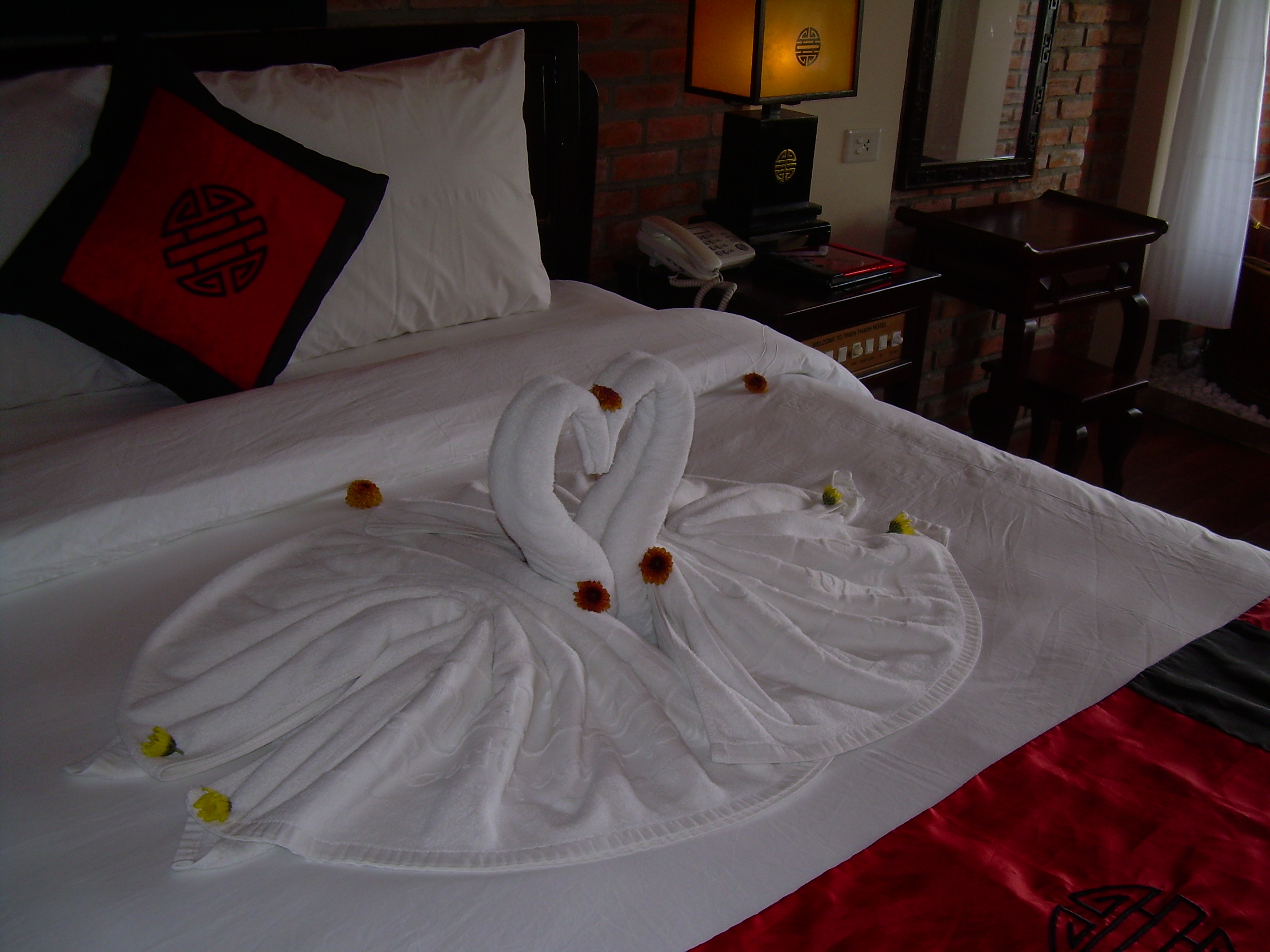
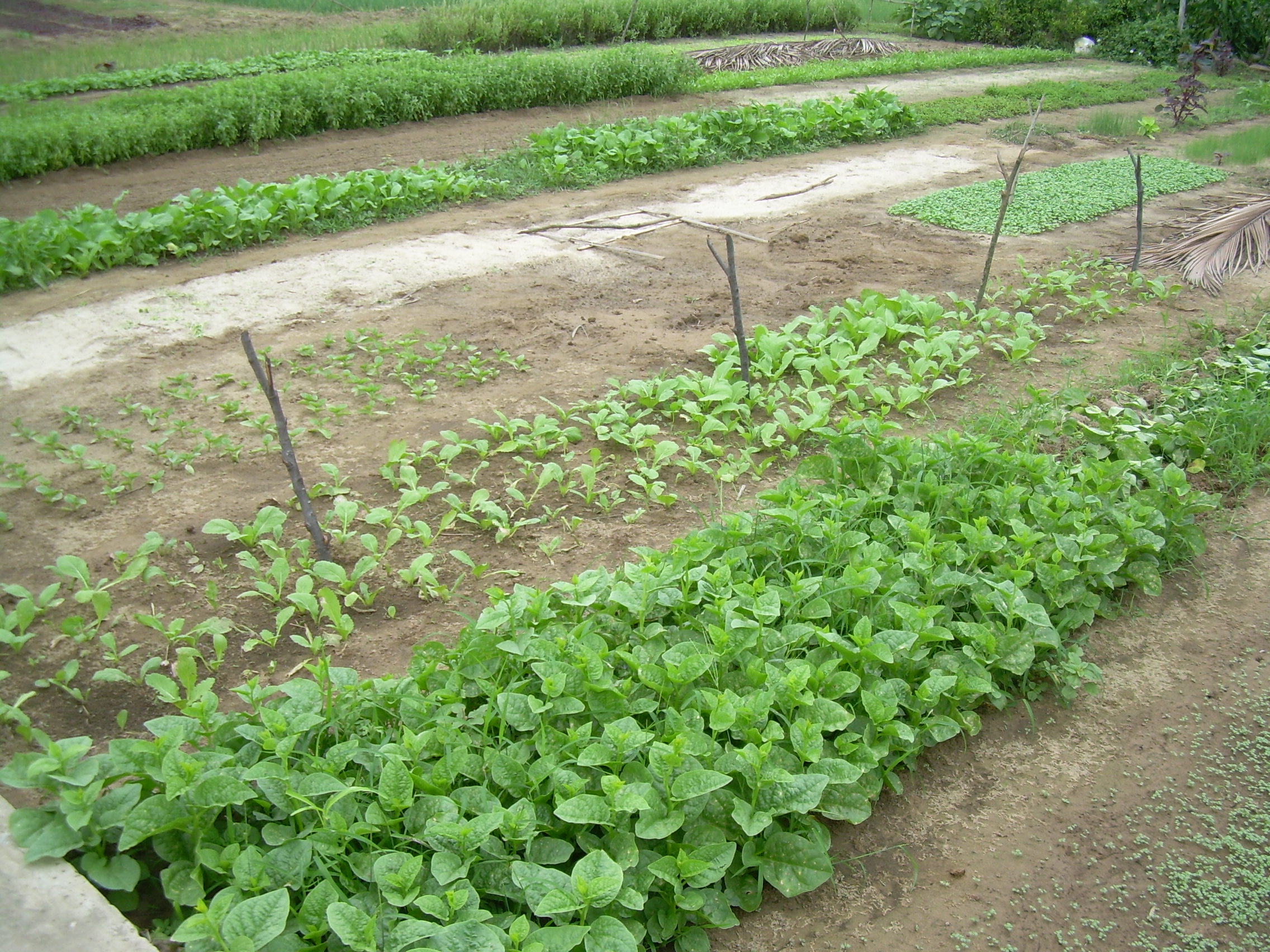
Thank you to everyone who sent messages of support owing to my forthcoming redundancy. It really cheered me up to know so many people are behind me. I have completed a couple of job applications and I know there are a couple of posts that I’d be interested in coming up. Fortunately I haven’t had long to dwell on the situation because I’m currently in Vietnam. I met my Australian friend in Ho Chi Minh City on Tuesday and we’ve since spent a couple of days in Hoi An on the central coast. Weather has been boiling but slightly cooler today so we managed a bike ride to the beach. Here are some photos:

vegetable gardens

vegetable gardens

planting

planting

harvesting water spinach

harvesting water spinach

motorcycles in Saigon

motorcycles in Saigon

Randy's book exchange

Randy’s book exchange

Swan towels in the hotel bedroom

Swan towels in the hotel bedroom

The dinner bell is ringing – I’ve got to go. Stories from Vietnam coming soon!

2 Comments »

Story Slam in Upton

You may remember back in the summer I was delighted to be a judge at the first story slam in Dorset held at the Shaftesbury Arts Centre by Storyslingers. You can read about it here.

I’ve now been asked by Adrian Ford to circulate details of a further story slam taking place in Upton. This time I hope to be a participant, and if my name gets pulled from the hat, I’ll be reading one of my latest stories. Please find the details of the story slam below:
FRIENDS 4 UPTON LIBRARY
(F4UL)

‘OPEN MIC’ STORY SLAM

THURSDAY, 23rd MAY
7.30 pm at Upton Library

ORIGINAL FICTION PRESENTATIONS
5 MINUTE SLOTS
JUDGES:   Pam Fudge and Dr Jim Pope
COMPERE:   John Barclay

FIRST PRIZE: £30

SECOND PRIZE: £10
(Book Tokens)
(SPONSORED BY GULLIVERS BOOKSHOP, WIMBORNE)

FULL DETAILS on www.f4ul.co.uk/events

ENTRY ON THE DOOR: £2 (£0.50 for F4UL members)

All proceeds go to F4UL funds in support of their aims to keep the library open and support local literary and art projects.

F4UL Publishing, Upton Library, Upton Cross, Upton, Dorset BH16 5PW
‘Supporting our local library; promoting Creative Writing’

Leave a comment »

Spring in Dorset

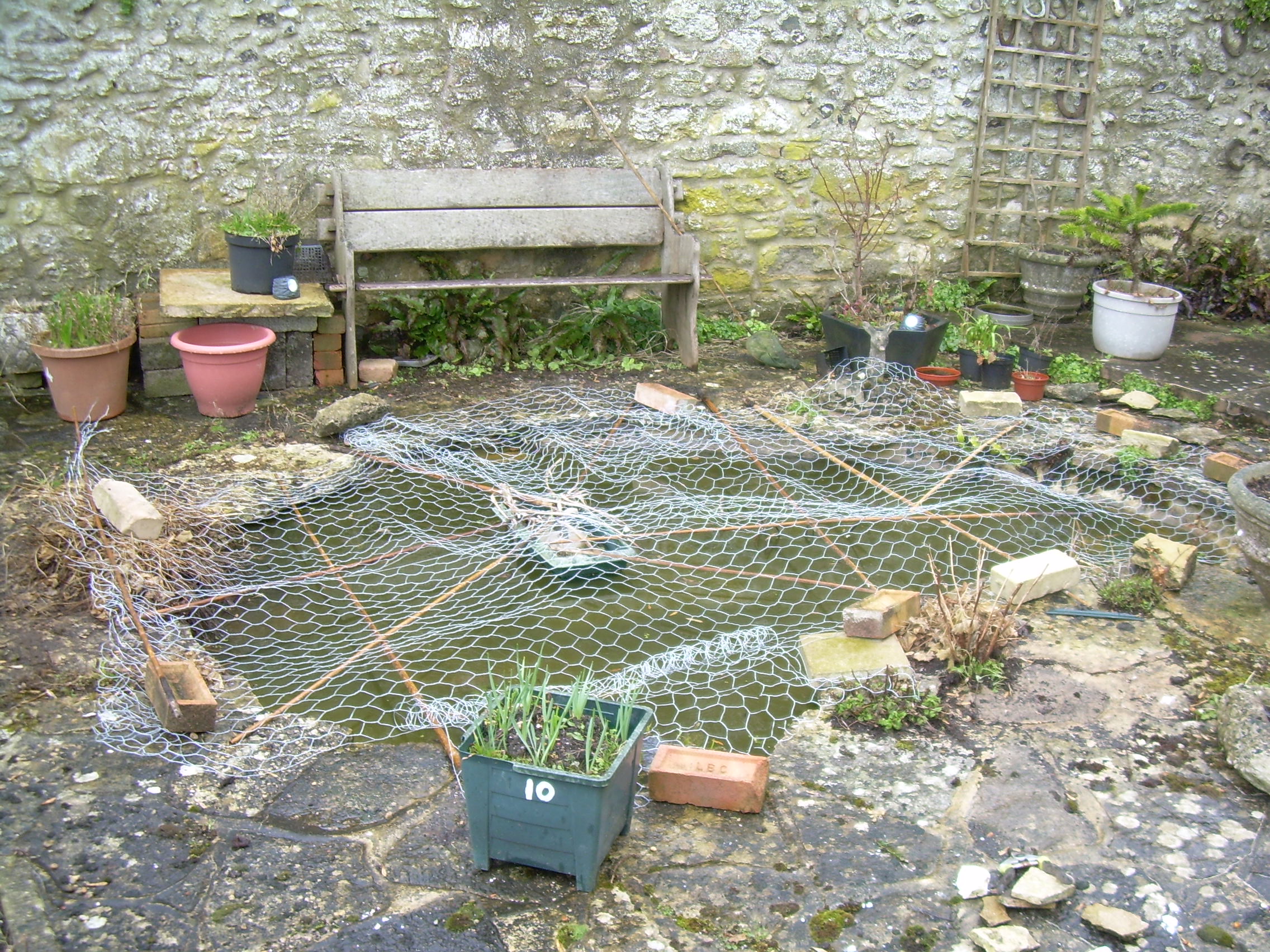
Spring in Dorset has so far meant biting wind, patches of frost and snow. When the sun does appear, it’s absolutely glorious but all too soon it slinks behind the clouds. In spite of the weather, other activity confirms the changing of the seasons. Last year I wrote a piece of flash fiction titled ‘Fish Pond’ which is based upon the annual activity in our garden. You can read about it here.

The ducks have been lurking again, finding the right moment to splash into the pond and feed on the frogs’ spawn.  This year, however, David has decided to protect the wildlife by creating fortress fish pond.

spring 003 (2)

It’s not a pretty sight and the ducks have abandoned the garden now in favour of the stream along the road. Not even the neighbours’ cat has ventured anywhere near our place now that the days of scooping out the spawn with his paw are over. The wire is so effective that I’m slightly worried we’ll be inundated with frogs and toads later in the year. I hope I don’t find a frog swimming in the downstairs loo again!

Do you have any quirks to share?

6 Comments »

Flash fiction workshops in Dorset

Dorset Writers' Network, Winfrith Newburgh Village Hall

Dorset Writers’ Network, Winfrith Newburgh Village Hall

I was delighted to offer two flash fiction workshops locally on Saturday. The first was delivered at a fantastic event in celebration of Dorset Women’s Day, held at the Dorford Centre in Dorchester. The second was in the afternoon, working with some wonderful Dorset writers on behalf of the Dorset Writers’ Network. The content for each workshop varied slightly, but as an overview, I’ve listed some of the activities included.

  • Definition of flash fiction

Not an easy task, but we did our best to come up with a definition by considering the length, the content, the structure, the process and the purpose of writing flash fiction

  • Giving it a go – six word stories

Using models from the famous (Hemmingway and Atwood) and the not so famous (shortlisted entries to Fleeting Magazine’s 2012 competition) a variety of six word stories were shared to inspire participants. The resulting writing ranged from the sexually-charged to the humorous.

  • Keeping it short

Using a piece of paper with a pretty picture prompt (a bit larger than a post-it note) participants produced pieces of flash fiction by drawing on the senses. Something about writing on a small piece of paper seems to focus the mind on careful word selection allowing participants to keep the writing short.

  • Using stereotypes

This is a quick way into writing. Using prompts from the addictive television series ‘Come Dine with Me’ some useful characters sketches were drawn

  • Putting yourself in the shoes of a photograph

By looking at a range of black and white photographs, participants were asked to imagine that they were the photographer and to write a short piece of fiction considering their relationship with the people in the photograph and to think about why the photograph was taken

  • Making an origami book as a form of self publishing

This involved a demonstration and the distribution of a pre-prepared book containing one of my flash fiction stories.  If you want to know how this is done, you’ll have to attend one of my workshops in the future.

A big thank you to everyone who attended the workshops – you were generous in sharing your writing and it was a pleasure working with you. If you would like me to deliver a workshop to your writing group, please get in touch using the ‘contact me’ page.

7 Comments »

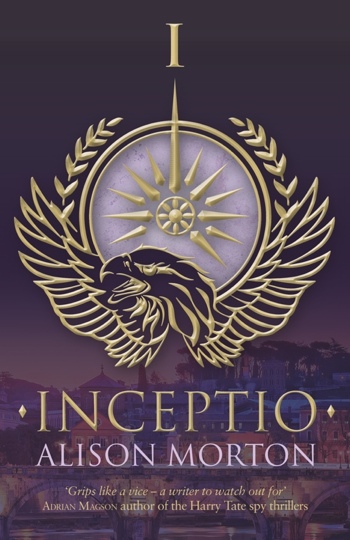
Introducing Alison Morton and her debut novel Inceptio

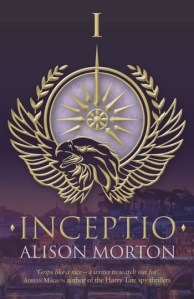
IMG_3173_v_smINCEPTIO_front cover_300dpi_v_sm

I have great pleasure in welcoming Alison Morton to my blog. We met during a writers’ retreat in Portugal last year and I was hugely impressed by the quality of Alison’s writing and her commitment to see her novel in print. I’m delighted to say that INCEPTIO, Alison’s debut novel is published today.

 Tell us how you got started, Alison

An eleven year old fascinated by the mosaics in Ampurias (huge Roman site in Spain), I asked my father, “What would it be like if Roman women were in charge, instead of the men?” Maybe it was the fierce sun boiling my brain, maybe it was just a precocious kid asking a smartarse question. But clever man and senior ‘Roman nut’, my father replied, “What do you think it would be like?” Real life intervened (school, uni, career, military, marriage, motherhood, business ownership, move to France), but the idea bubbled away at the back of my mind.

I’d play with words much of my life – playwright (aged 7), article writer, local magazine editor, professional translator and dissertation writer. But I came to novel writing in reaction to a particularly dire film; the cinematography was good, but the plot dire and narration jerky.

‘I could do better that,’ I whispered in the darkened cinema.

‘So why don’t you?’ came my other half’s reply.

Ninety days later, I’d completed the first draft of INCEPTIO, the first in the Roma Nova thriller series.

Of course, I made the classic mistake of submitting too soon, but had some encouraging replies. Several rewrites later and I’d had some full manuscript requests, even from a US agent (INCEPTIO starts in New York)! I had replies like ‘If it was a straight thriller, I’d take it on’ and ‘Your writing is excellent, but it wouldn’t fit our list.’

I was (am!) passionate about my stories so I decided to self publish with bought-in publishing services. Using very carefully chosen high quality professional backing (editing, advice, registrations, typesetting, design, book jacket, proofing, etc.), I’ve found it a fantastic way for a new writer to enter the market.

How is an “alternate history thriller” different from a normal thriller? 

Alternate history is based on the idea of “what if”? What if King Harold had won the Battle of Hastings in 1066? Or if Julius Caesar had taken notice of the warning that assassins wanted to murder him on the Ides of March? Sometimes, it could be little things such as in the film Sliding Doors, when the train door shuts and Gwyneth Paltrow’s character splits into two; one rides away on the train, the other is left standing on the platform.

The rest of the story, or history of a country, from that point on develops differently from the one we know. In my book, Roma Nova battled its way from a small colony in the late fourth century somewhere north of Italy into a high tech, financial mini-state which kept and developed Roman Republican values, but with a twist. It’s really fun working this out! But you really have to know your own timeline history before you can ‘alternate’ it. The thriller story then takes place against this background.

Stories with Romans are usually about famous emperors, epic battles, depravity, intrigue, wicked empresses and a lot of sandals, tunics and swords. But imagine the Roman theme projected sixteen hundred years further forward into the 21st century. How different would that world be?

So what’s INCEPTIO about?

New York – present day, alternate reality. Karen Brown, angry and frightened after surviving a kidnap attempt, has a harsh choice – being eliminated by government enforcer Jeffery Renschman or fleeing to the mysterious Roma Nova, her dead mother’s homeland in Europe. Founded sixteen centuries ago by Roman exiles and ruled by women, Roma Nova gives Karen safety, a ready-made family and a new career. But a shocking discovery about her new lover, the fascinating but arrogant special forces officer Conrad Tellus who rescued her in America, isolates her.

Renschman reaches into her new home and nearly kills her. Recovering, she is desperate to find out why he is hunting her so viciously. Unable to rely on anybody else, she undergoes intensive training, develops fighting skills and becomes an undercover cop. But crazy with bitterness at his past failures, Renschman sets a trap for her, knowing she has no choice but to spring it…

And next? I’m polishing up PERFIDITAS (betrayal), the second book in the Roma Nova series before it goes to the editor. You can find INCEPTIO on Amazon UK  and Amazon US

You can read more about Alison, Romans, alternate history and writing here:

Blog: http://www.alison-morton.com

Facebook: http://www.facebook.com/AlisonMortonAuthor

Twitter: @alison_morton
5 Comments »

A couple of days in Cornwall

We’ve been fantastically lucky with the weather this week. On Saturday we booked a last-minute deal at the Royal Duchy Hotel in Falmouth for dinner, bed and breakfast for 3 nights and we’ll be heading home tomorrow. My sister-in-law spent her wedding night here, so I’ve always wondered what the place was like. I’m glad to report that it’s really quite splendid.  Very friendly staff, swimming pool heated to just the right temperature and marvellous views out to sea.

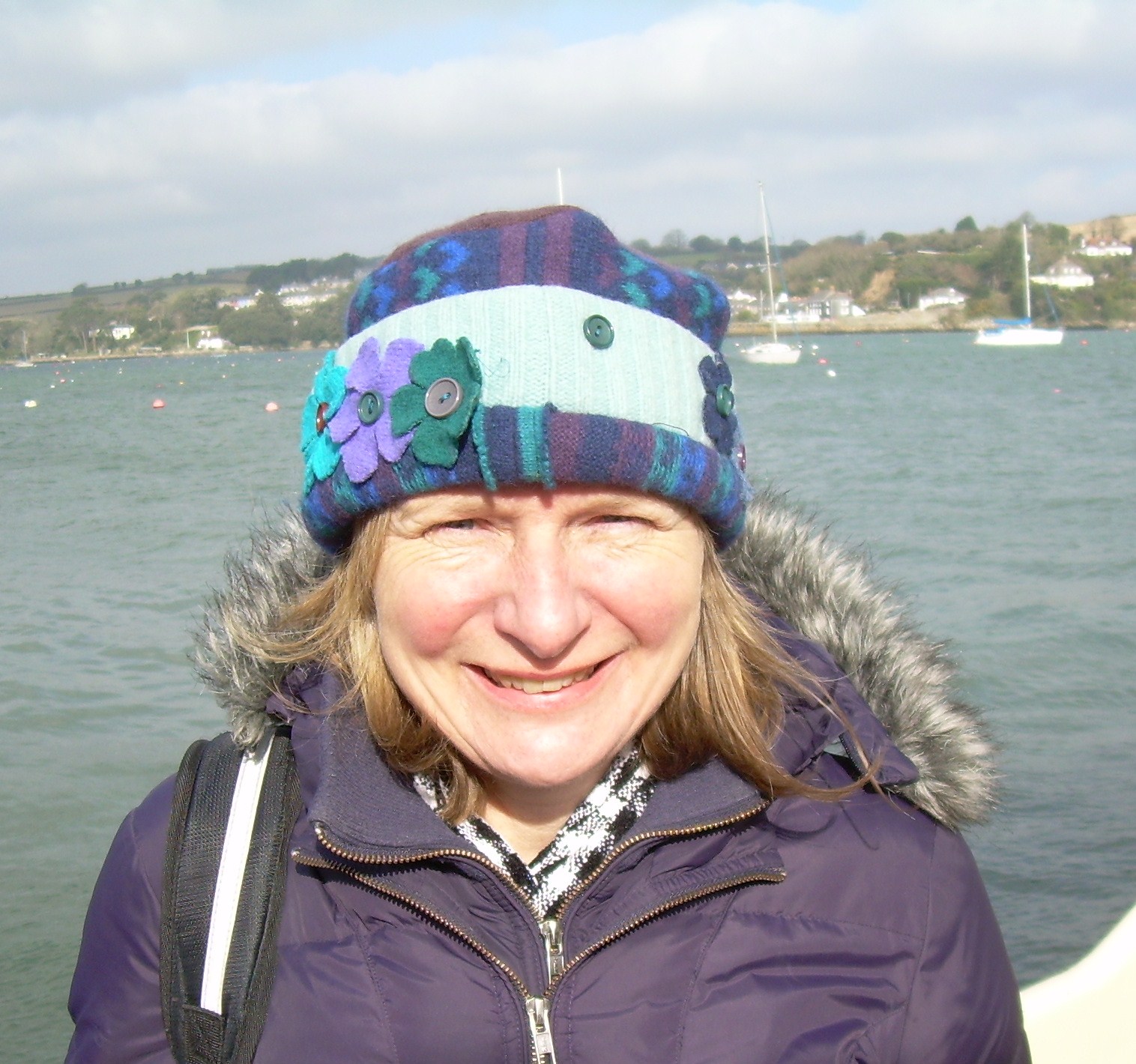
St MawsHere I am, squinting in the sun, as we took the ferry over to St Maws. The ride was distinctly bouncy but as the journey’s only twenty minutes, we survived. We had lunch with friends who have a holiday home there and took a walk around the pretty church at St Just in Roseland.

St Ives


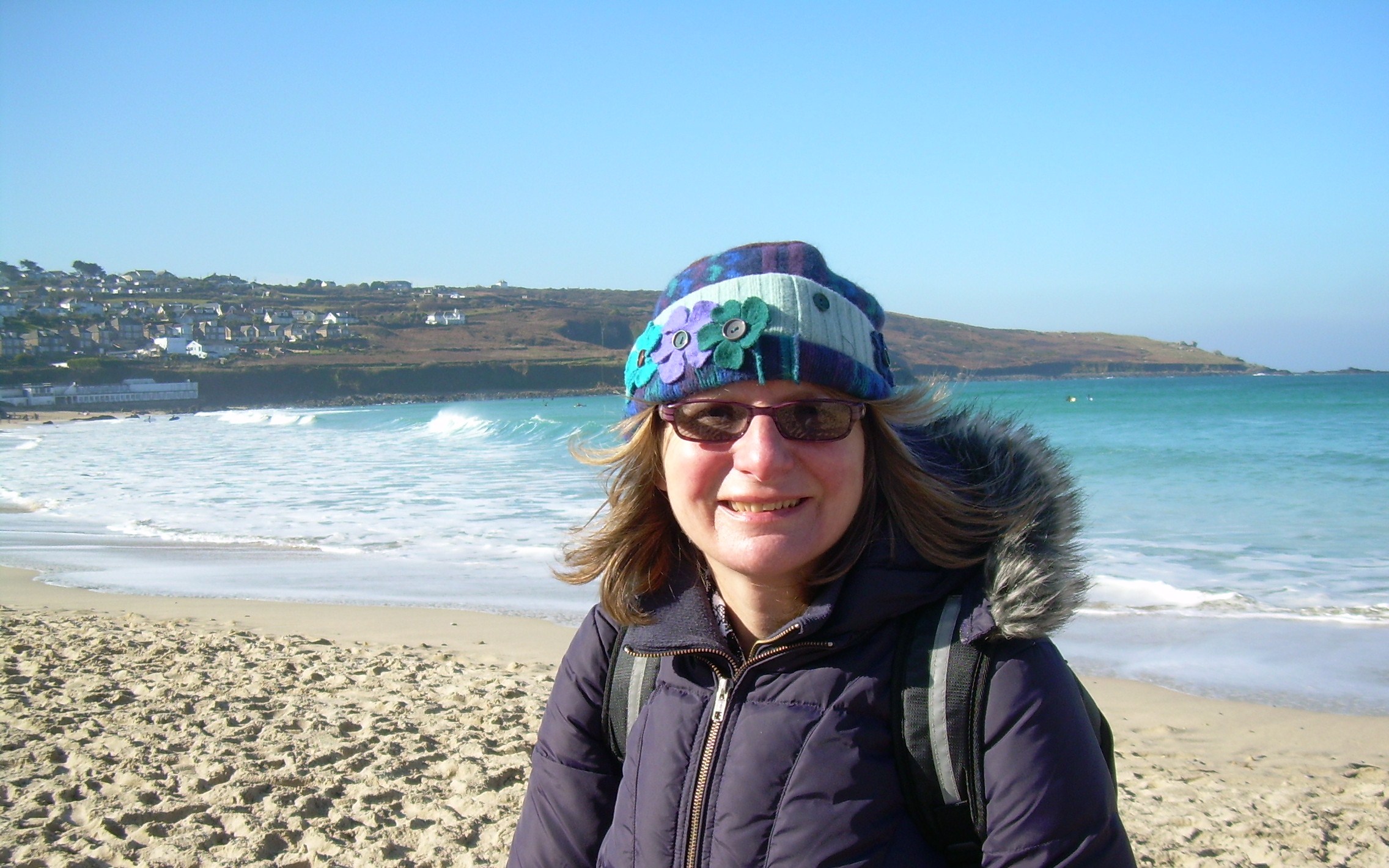
Today we went to St Ives, had coffee in The Tate, then drove along the north coast to St Agnes. Look at the colour of that sea. Absolutely beautiful. Now that should inspire me to do some writing.

Where have you been recently?

3 Comments »

Spring writing workshops

I’ve been invited to deliver several flash fiction workshops in the coming months and I’m delighted at the prospect. To give you an idea of what I’ll be covering, please see the outline below:

Flash fiction, keeping it short

Everyday lives are packed with tasks and activities that leave little time for reading or writing at length.  Flash fiction has the ability to fit into the breaks and provides satisfying stories with all the elements of a longer piece of fiction.  ‘Keeping it short’ is an interactive workshop that explores opportunities to incorporate flash fiction into your creative life and will use examples to share:

  • Flash fiction at its best
  • Starting points for writing flash fiction
  • Ideas about the definition of flash fiction
  • Websites and journals that publish flash fiction enabling writers to reach a wider audience

What do you think?  Have I got all the bases covered?

7 Comments »

What is flash fiction?

A friend recently left a comment on my blog, asking for a definition of flash fiction.  While I flippantly said it’s fiction usually written in less an 500 words, it did occur to me that further elaboration may be appropriate.  So, although there isn’t an agreed definition, I hope you get the flavour of flash fiction from the following.

Flash fiction provides a window into the experiences of others, short enough to digest in one sitting.  Frenetic lifestyles make short fiction relevant and accessible. It offers bite-size pieces of fiction that are satisfying and a relief from the grind of everyday life. The length of the work is short, anything up to 500 words (or 1000 words in USA) constitutes flash fiction.

Frequently written in one go, flash fiction can be completed from start to finish in one sitting, allowing the writing to burst with energy.  Prompts such as images, single words, or a line of poetry may stimulate the writing. Others suggest that flash fiction is a distilled version of a longer story and includes all the necessary parts such as characters, plot, dialogue and theme but these are presented by suggestion rather than written in detail. The chinks in the writing leave room for the reader’s imagination.

Sitting alongside short stories and novels flash fiction does not attempt to replace them. The brevity of flash fiction is one of its charms and because it can be drafted within a short timescale, it’s a useful tool for honing writing skills.

Do you agree? Please leave a comment!

4 Comments »

Lit Up! event: a life in writing

Along with writing friends Sarah Scally and  Fiona Murphy, I spent an excellent day on Saturday at Bournemouth Library learning how to make a living from writing.  That is, how to fund your writing through grant applications, residencies and commissions.  The workshop was organised by Lit Up! and provided practical advice, presentations and talks by poet Andrew McMillan and project organiser Amy Mason.

Andrew McMillan and Amy Mason

Andrew McMillan and Amy Mason

By the end of the day, I’d made several new Twitter friends, generated fresh ideas for projects and came away with inspiration for new pieces of creative writing. The event more than lived up to its billing, a unique day full of tips on putting together bids, planning and executing successful writing sessions. Thank you very much Amy and Andrew for sharing inside information on how to get the most from the Arts Council.

Top tips included

  • subscribing to Arts Jobs  for regular updates on paid and unpaid writing opportunities
  • using the language of the brief to frame your application for residencies and writing opportunities (refer to target audience, outcomes etc)
  • drawing upon help from others to support your application, for example, references from other writers, project coordinators etc
  • Seek advice and support from the Arts Council. The Relationship Manager for the south-west is kate.offord@artscouncil.org.uk
  • the importance of tangible outcomes from writing sessions and workshops such as a celebration event or production of a pamphlet of work

By drawing on the ideas from the day, and combining these with the experience I’ve gained from workshop delivery at conferences and writing groups, I now feel much more confident in designing and seeking funding for my own literary writing project.  The only trouble is having the time to map this out.  My full-time work commitment is likely to go on until the end of August but with redundancy possible, I may be well be poring over my notes before too long.

Which skills would you like to develop for a life in writing?

8 Comments »

Cue for a story…

I’m taking a break from working on the romantic comedy I completed before Christmas. I thought that if I give it until the end of January, I’ll have had enough time to return to it afresh. Meanwhile, I’m developing on a few short stories and flash fiction to keep my creative mind active. So far this year, I’ve entered five competitions and have stories lined up to enter a couple more. The spreadsheet is filling up and although I know most of the stories will bounce back, if I revise and resubmit, there is a chance of publication and maybe even a prize.

Ideas for fiction come to me from life. I seem to be writing quite a lot about families at present, with my sixteen-year-old son providing the stimulus.  Little things get lodged in my mind. Take Saturday, for example, he says to me:  That’s a stupid rule, Mum. Why do I have to unload the whole dishwasher when I only need one cup?

Right, down to work…

6 Comments »